Membership
 Network
 Regional Sites & Affiliates


 Events
 Participate
 Resources

 Training
 Credentials
 Government


 Content Channels
 Tools


 Business Overview





Looks Can Be Deceiving
Why a workplace can sparkle, but still feel dirty
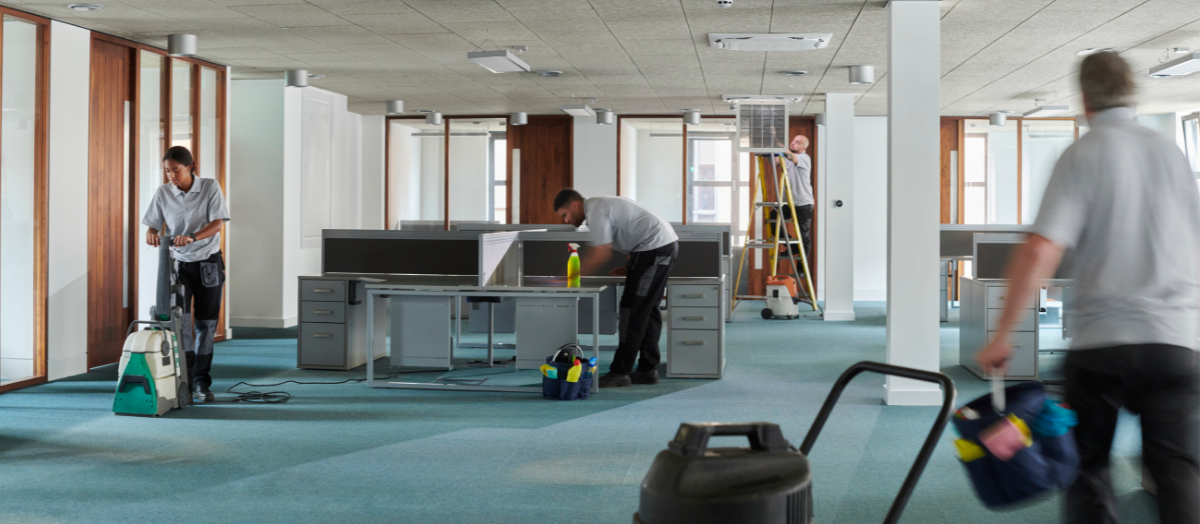
The lobby is organized, floors are shined and spotless, trash receptacles routinely emptied, yet a restroom runs out of soap by the afternoon, a shared microwave is caked with pieces of food, and employees are in the habit of wiping down their desks because they do not trust that the job is being done properly. The difference between appearance and experience is critical.
A survey of 1,000 full-time U.S. workers found that 91 percent described their workplace as somewhat or very clean overall. But 43 percent said they had cleaned their own desk or workspace because they did not trust the cleaning crew. Nearly one in four said they had little or no trust that the cleaning crew did a thorough job.
This gap raises a useful question for facility managers in any country: Is a facility being judged by how it looks during an inspection, or by what occupants experience throughout the day?
Occupants see a different version of the building
Inspections provide important snapshots of cleanliness at specific moments in a day, while cleaning schedules work to counteract the strain of consistent use. Still, occupants experience the ebb and flow of workplace cleanliness for hours every day.A restroom may pass an inspection at 11 a.m. and look very different at 4 p.m. A breakroom can be spotless before the workday begins and covered in food after lunch. A busy entrance may need attention several times during bad weather even if it was cleaned properly that morning.
In the survey, 29 percent of workers identified restrooms as the dirtiest area in their workplace. Shared microwaves and other breakroom appliances came next at 19 percent, followed by carpets and floors at 17 percent.
These are not unusual or hidden parts of a building — they are places employees use repeatedly. That makes timing essential. A facility manager who only sees a space soon after it has been serviced may have a very different view from an employee who uses the same space during its busiest period.
Cleaning quality therefore needs to be checked when the building is being used, not only when cleaning has just been completed.
Cleaning frequency only tells one part of the story
One of the easiest ways to measure cleaning is by frequency.
In the survey, 48 percent of workers believed their workplace was cleaned every day, while another 27 percent said it was cleaned a few times a week. Despite that, some workers still reported distrust, dirty shared spaces and restroom problems.
More cleaning is not always the answer. Better timing may be. Consider a breakroom that is cleaned at 7 a.m. every weekday. On paper, it receives daily cleaning. But if most employees use it between noon and 1 p.m., its worst condition may occur several hours after the cleaning team has finished.
Adding another morning task will not solve that problem. Checking the area after lunch might. The same thinking can be applied across a facility. Cleaning schedules should follow actual use, traffic and recurring problems rather than relying only on a fixed routine.
Employees cleaning their own space can be a warning sign
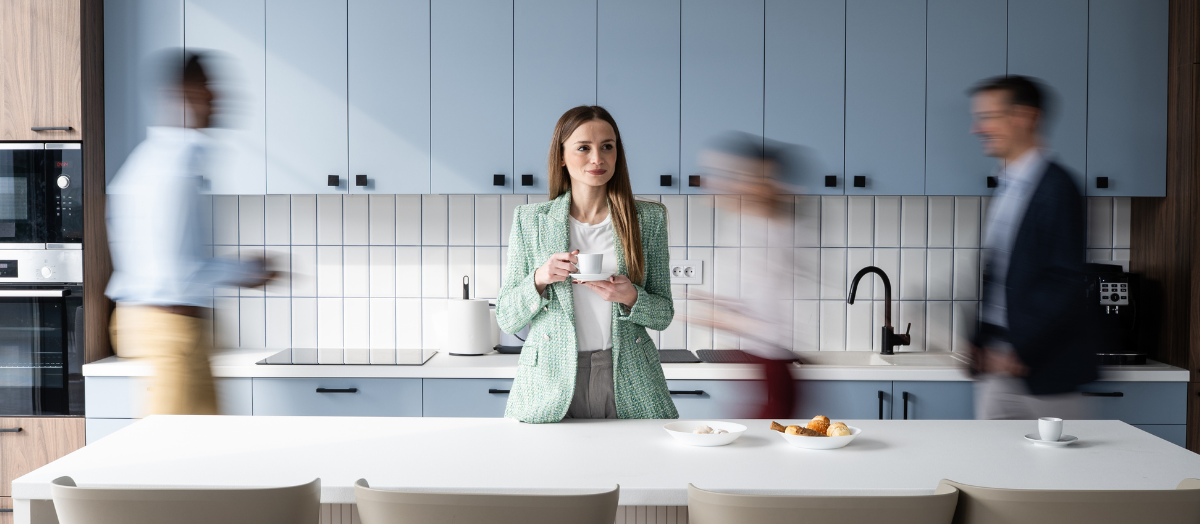
There is nothing unusual about an employee wiping up a spill or keeping a personal desk tidy. The reason behind the cleaning is what matters.
In the survey, 43 percent of workers said they had cleaned their own desk or workspace because they did not trust the cleaning crew. Another 21 percent said they had brought their own cleaning supplies to work.
Those actions suggest something different from normal personal housekeeping. When employees start doing work because they believe routine cleaning is unreliable, the facility has a trust problem. The building may still look presentable, but occupants are starting to compensate for what they believe is missing. These behaviors can be useful signals for FMs.
Repeated requests for cleaning supplies, employees avoiding shared spaces, or staff regularly cleaning areas themselves may point to a problem that is not showing up on a standard inspection sheet.
No complaints, no problems — right?
Formal complaints are another common way to judge facility performance. If nobody is complaining, it is tempting to assume everything is working. That can be misleading.
About 24 percent of workers in the survey said they had complained to a boss or human resources about workplace cleanliness. Another 32 percent said they wanted to complain but did not. Among the workers who did raise a concern, close to half said nothing changed afterward.
Plus, an employee does not have to submit a complaint before changing their behavior. Someone may stop using a breakroom, choose another restroom or eat at a desk instead of a common area. Simple feedback systems can help catch these problems earlier.
A QR code in a restroom, a facilities help desk, a short occupant survey or regular conversations with employees can all provide useful information. The method matters less than making it easy for people to report what they are seeing.
Response time matters too. If the same issue is reported several times without improvement, employees may eventually stop reporting it. At that point, a reduction of complaints may hide a recurring problem.

Inspect facilities when people are using them
A useful inspection should answer more than whether a task was completed. It should show whether the result holds up under normal use.
Facility teams can start by identifying areas with high traffic, frequent complaints or a history of recurring problems. Those spaces can then be checked during the periods when they are under the most pressure.
For example, a restroom beside a large cafeteria may need inspection after lunch rather than first thing in the morning. An entrance may need more attention during wet weather. A shared kitchen may need a check after the busiest meal period. It also helps to compare different sources of information.
Cleaning records show what was scheduled. Inspections show what was observed. Service requests show what occupants reported. Looking at all three together can reveal patterns that one source alone may miss.
The goal is not to expect a building to remain perfect every minute of the day. That is unrealistic in an occupied facility. The goal is to find recurring problems before occupants start treating them as normal.
Make cleaning performance easier to see
Cleaning often happens outside normal working hours. That can make good work almost invisible.
Employees may arrive after the work is finished and only notice cleaning when something has gone wrong.Facility teams cannot solve that by making cleaning disruptive or turning every completed task into an announcement. They can make the process easier to understand.
Clear ways to report issues, visible checks in high-use areas and quick responses to recurring problems can all help.
The same applies when a problem has been fixed. If occupants repeatedly reported an issue, closing the loop lets them know that the concern was taken seriously.
Trust is built through consistency. People notice when the same spaces are taken care of day after day, just as they notice when the same problems keep coming back.
Looking clean is only the first test
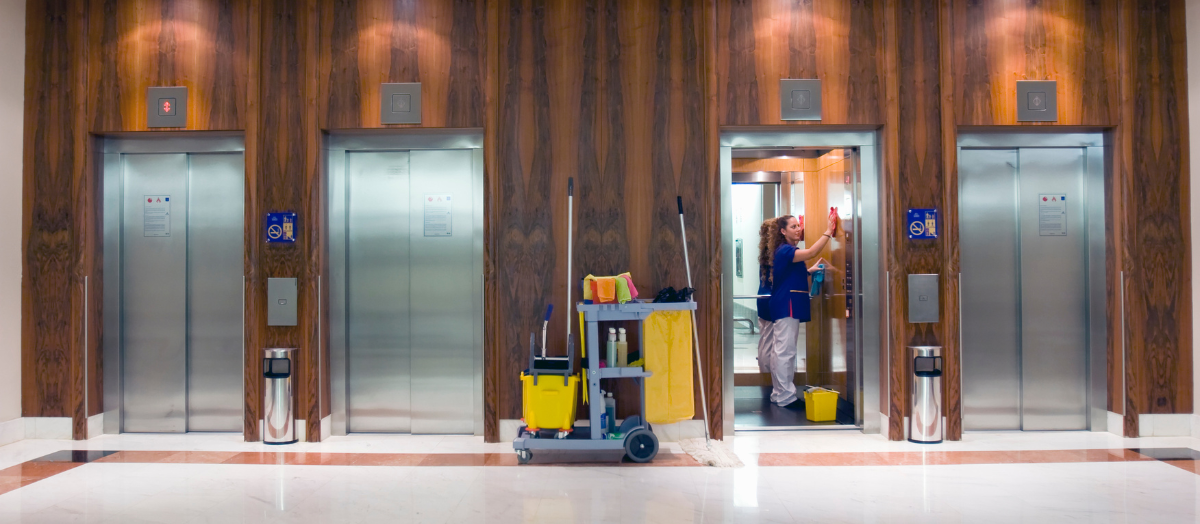
Visual appearance will always be part of facility management. If a building looks dirty, there is an obvious problem. The harder problems are the ones that sit below that first impression.
A workplace can look clean overall while employees avoid a restroom. A cleaning schedule can be completed every day, while a breakroom repeatedly becomes dirty by lunchtime. An inspection score can look good while employees bring cleaning products from home. None of these automatically means the entire cleaning program is failing.
They do mean there is more to measure. Cleaning records show whether work was scheduled and completed. Occupant experience shows whether that work is holding up where and when it matters. Facility managers need both views.
A clean workplace is not simply one that looks good when someone walks through the door. It is one where the spaces people rely on remain properly maintained through the normal pressures of the day.

Read more on Facility Operations , Occupancy & Human Factors and Standards or related topics Facility Improvement , Maintenance , Maintenance Processes , Occupant Health and Quality Management
Explore All FMJ Topics