
 Membership
 Network
 Regional Sites & Affiliates


 Events
 Participate
 Resources

 Training
 Credentials
 Government


 Content Channels
 Tools
Tools


 Business Overview





Lots of Care
Assessing parking lot needs
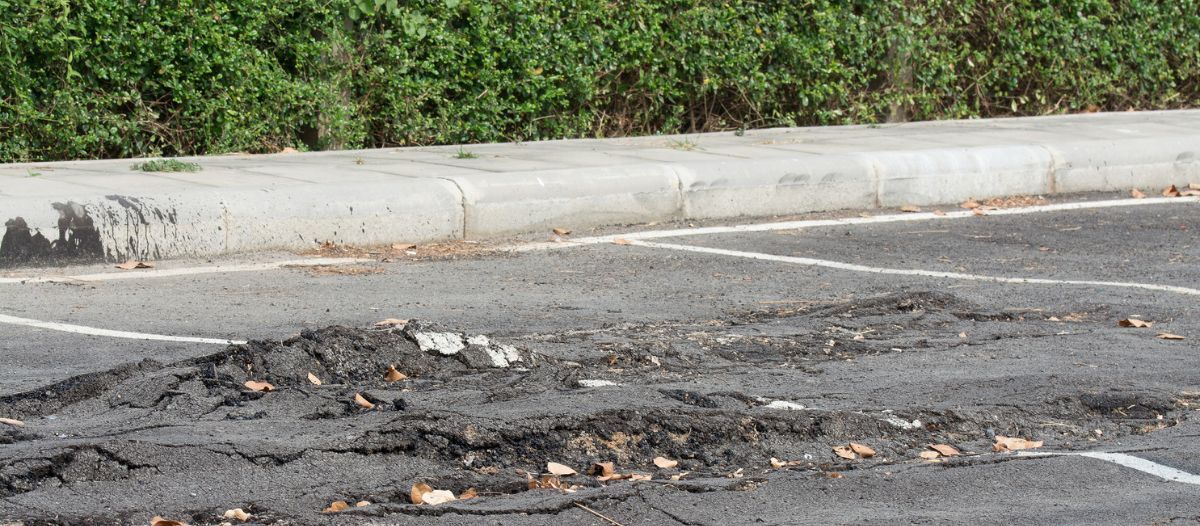
Regardless of industry, location or background, 2020 was universally an atypical year for facility managers. From shifting safety protocols to rethinking what operational procedures look like to navigating continual changes in respective facility locations, it can be hard to get a gauge on where to go from here.
This year will be a sort of hybrid year, during which FMs will assess deficits and try to predict what the end of this year will look like as normal activity resumes. As FMs work through operational budgets and planning for the year, there is much less money to go around.
In addition to budgetary concerns, understanding how to assess annual parking lot needs will look different this year, too, as the wear and tear on lots varied so much across various businesses and industries. For example, some parking lots may have been mostly or completely vacant in lieu of their typical daily traffic, so repair needs may not be as extensive.
Other facilities’ repair needs may be more extensive than usual if traffic volume was higher after becoming a COVID-19 testing site or vaccination site. Alternatively, many commercial office buildings have been empty while multi-family residential parking lots may have been occupied more, and idle cars leaking fluids not being driven can also be hard on parking lot.
Regardless of where a parking lot lays on the spectrum, there are a few areas FMs can focus on to assess specific parking lot needs for the rest of 2021.
Define priorities & budgetary limitations
The first place to start when considering parking lot maintenance needs is to think about what needs look like in a typical year. In many cases, the need for parking lot maintenance will not be much different this year than it would be any other year. However, a facility’s situation may be different and the budget limited, so that may affect the approach to parking lot maintenance.
Here are a few helpful questions to ask:
-
What is the impact of the condition of the parking lot on business? For example, if the parking lot was not maintained in 2020, and maintenance is differed, might that hinder ability to fill vacancies created by the pandemic?
-
What types of repairs does the parking lot require? Has the FM team walked the parking lot and made a list of any areas of concern? It can be helpful to have a satellite image of the area before walking the lot so that areas of concern can be marked in advance.
-
What contractors have been used in the past and what was the experience like? If the experience was less than ideal, now is the time to start researching other contractors. Ask other FMs who they recommend and be sure to read online reviews.
-
How urgent is the need for repairs? If there are issues that create potential safety hazards, it is important to immediately address them. It may be that contractors will be extra busy because so much maintenance work was deferred in 2020, so scheduling maintenance early is a good approach.
-
Of the repairs that are not urgent, which ones are important and necessary, and which ones could be deferred? Beware of the hazard of deferring maintenance that may lead to additional costs later.
-
When will funding be available and how much? If this is unclear, it is important to talk about it with management and get an understanding of what the limitations will be. This could make a big difference in prioritizing projects.
Discuss what traffic looked like throughout 2020
Once an FM has found a contractor they trust, probing the contractor for more specific recommendations is appropriate. Share with the contractor what traffic looks like in a typical year compared to what it was like in 2020.
Using some major cities as a benchmark, there were drops in traffic as high as 40 percent in 2020 compared to previous years. Furthermore, parking lots that served certain industries, such as technology, finance and marketing, likely endured less wear and tear in 2020, which means fewer repairs may be needed in 2021. However, hospitals, testing sites and vaccination clinics likely experienced substantial increases in vehicle traffic in 2020 and will only see this trend increase into 2021.
If the lot was used for COVID-19 testing and/or vaccine distribution, another factor FMs should consider is the machinery that sat on the lot for this functionality to be possible. If heavy equipment sat in the lot for a while, it is worth pointing out to the contractor, so they can assess areas that may have been stressed.
In addition to discussing past traffic patterns, it is also worth sharing a prediction with the contractor for what traffic will look like in 2021 to decide if lighter, more essential maintenance can be done this year. If traffic will remain lower, then slating some of the heavier and more preventative maintenance before it gets cold late this year, or even waiting until 2022 to tackle more expensive repairs.
Understand what weather does to a parking lot
Weather is a factor that affects the need for parking lot maintenance. For parking lots in locations where the temperature fluctuates sharply throughout the year, pavement will typically need a little more tender love and care.
This type of weather pattern is the hardest on pavement because it is constantly expanding and shrinking with each warm day and freezing night. The repeated freezing and thawing cycle causes more cracks, defects and potholes than if the temperatures had dropped and consistently stayed below freezing.
Seemingly minor cracks and potholes caused by fluctuating temperatures can quickly grow and cause unsafe conditions for both pedestrians and vehicles and cause costly repairs later in the year.
It is always important to consider these factors when compiling annual facility operational budgets and thinking through how much to reserve for parking lot and walkway maintenance.
Know when to engage a paving contractor
When trying to conserve operating budgets, FMs might improvise and cut corners when it comes to repairs in parking lots. In some cases, FMs can step in and take monitoring into their own hands, but it is important to know what not to do in terms of trying to repair parking lot issues. For example, trying to repair minor defects to prevent larger potholes by filling small holes with gravel or stone is not good practice. The gravel and stone can quickly loosen and spread the existing hole, making for a much larger and more expensive problem in months to come. Always consult a paving expert when it comes to repairs.
Alternatively, it is okay to cover any parking lot deficits with a cone or a steel plate to protect patron safety in the interim of having repairs done. The best way to ensure that parking lots remain intact is to ensure they are cleared as often as possible. Whether that means not resting heavy equipment on lots or clearing them of ice and snow in a timely manner, this is the best preventative measure.
Outdoor walkways and parking lots must often be maintained to a certain level to adhere to respective city code, and a quick post-winter revamp can help prevent warnings or fines later in the year. FMs should stay in touch with local governments to understand regulations and ensure outdoor space managed is up to par. If additional infrastructure needs to be created to adhere to code, consult a professional to ensure the proper action is taken.
Choosing & working with the contractor
Choosing the right contractor is more important in uncertain with limited budgets. Here are some mistakes to avoid when choosing and working with parking lot maintenance contractors:
-
Getting quotes from too many contractors.
-
Choosing a contractor based solely on price.
-
Having contractors look at the property to bid the work without meeting with them.
-
Not reviewing the parking lot needs prior to meeting with contractors.
-
Not being open and honest upfront about what the budget looks like.
Find a trusted parking lot maintenance contractor and be upfront with them about what the 2021 priorities, budget limitations and how the decision-making process will work. An experienced asphalt and concrete contractor can help operators think through what the priorities are, which maintenance work should be done this year, as well as what can be put off. If the contractor seems to be trying to upsell services, find another contractor to consult with. It is critical to find a contractor that is straightforward and is putting the facility’s best interest first.
Also, beware of the potential hazard contractors who say their team can save money on repairs. When shopping around long enough, there is always the ability to find someone who will do the work cheaper. However, all too often, contractors will quote low prices, but can cost FM more money or frustration, because the low-cost contractor used sub-par quality materials, or their workmanship was poor and did not portray the image they wanted for their property.
Finding a trusted contractor will save time and money and help operators make the most of maintenance dollars.
There are plenty of ways to get creative when trying to conserve budgets for 2021 parking lot repairs. FMs must ask the right questions and understand what repairs should be prioritized based on weather and traffic patterns.
FMs should know that the partners they engage in for maintenance have experienced similar struggles and will be willing to help strategize their maintenance.

Bob Lester is president and CEO of Dura-Seal. He has worked in the paving industry for more than 20 years, leading two buyouts, an acquisition and the sale of an equipment manufacturing company at Dura-Seal. Prior to joining the company, Lester studied business finance at Otterbein University.
Read more on Facility Operations and Finance & Business or related topics Operations and Maintenance Planning and Operational and Capital Budgeting
Explore All FMJ Topics