 Membership
 Network
 Regional Sites & Affiliates


 Events
 Participate
 Resources

 Training
 Credentials
 Government


 Content Channels
 Tools
Tools


 Business Overview





Loyalty, Trust & Value
Why restrooms matter more than ever
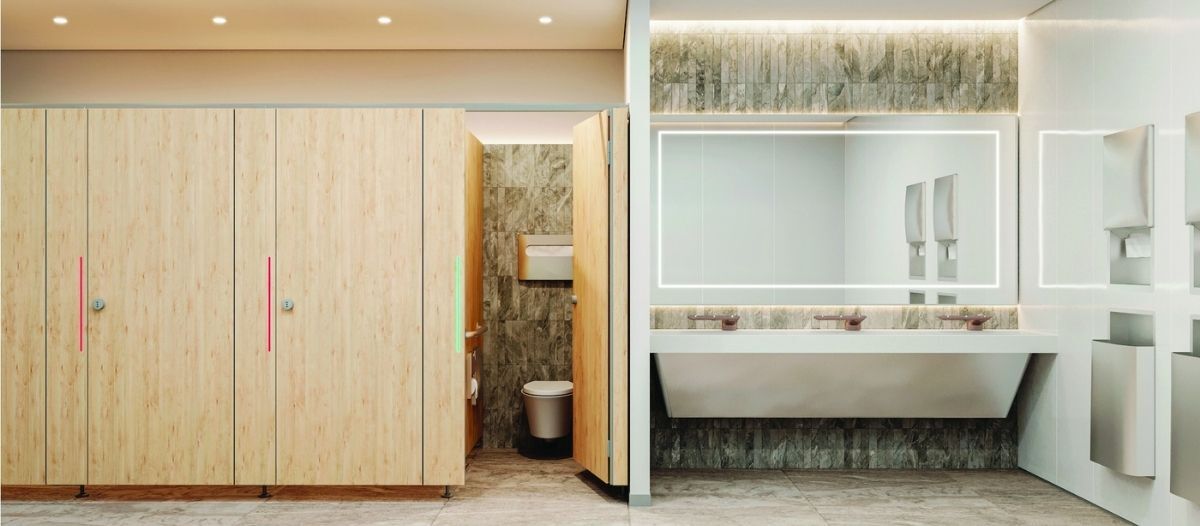
Facility managers balance countless priorities: safety, efficiency, sustainability and occupant experience. But one of the most visible and memorable touchpoints often receives less strategic attention: the restroom.
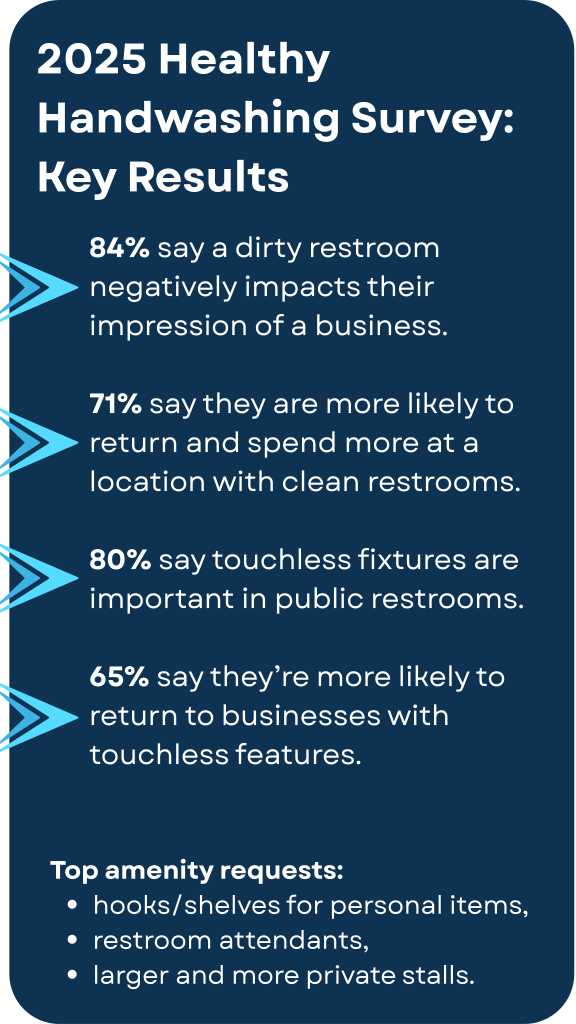
Sixteen years of consumer research shows that restroom quality directly influences how occupants and visitors perceive a facility’s professionalism, cleanliness and brand values. The 2025 Bradley Co. Healthy Handwashing Survey™ underscores that restrooms have become business-critical spaces. Clean, well-stocked and thoughtfully designed restrooms inspire trust and loyalty, while neglected ones signal a lack of care and can drive people away.
 For facility managers across sectors — health care, education, retail, hospitality and beyond — restrooms are no longer secondary spaces. They are high-impact assets that reflect organizational priorities and directly affect user satisfaction.
Actionable insights from 16 years of research
Nearly two decades of data confirm that restroom conditions have a measurable impact on user behavior, customer loyalty and organizational reputation. The Healthy Handwashing Survey again found that:
-
84 percent of respondents say an unclean or poorly stocked restroom damages their perception of a business.
-
75 percent think twice before returning after a negative restroom experience.
-
71 percent are more likely to return — and even spend more — when facilities are clean and well-maintained.
These findings reveal a direct connection between facility management practices and customer experience. When restrooms are neglected, users often assume that other aspects of the facility — from safety and cleanliness to overall operations — are also poorly managed. In fact, half of respondents equate an unclean restroom with poor management overall, demonstrating how maintenance quality directly shapes trust and credibility.
Common frustrations — clogged toilets, unpleasant odors, outdated finishes and empty dispensers — go beyond inconvenience; they send a powerful message that hygiene and user care are not priorities.
The survey also highlights behavioral differences. Women are significantly more likely to notice and be influenced by restroom conditions, underscoring the importance of maintaining inclusive, equitable environments that meet diverse expectations.
The long-term trend is unmistakable: restrooms directly affect brand perception and financial performance. More than 90 percent of people associate a well-maintained restroom with a high-quality business, and 70 percent have chosen one establishment over another based on restroom conditions. Across industries, the restroom serves as a visible measure of operational excellence.
For FMs, these insights translate into action. Investing in high-performing restrooms reduces complaints, boosts satisfaction and builds loyalty. Over time, these improvements also enhance workforce pride, visitor confidence and an organization’s public image, making restroom management a strategic priority rather than a maintenance afterthought.
Five strategies to elevate restroom performance
Survey data and industry best practices point to clear actions that can help FMs enhance restroom operations, reduce maintenance time and improve user satisfaction. By combining thoughtful design with smart technology, facilities can elevate hygiene standards while optimizing staff efficiency.
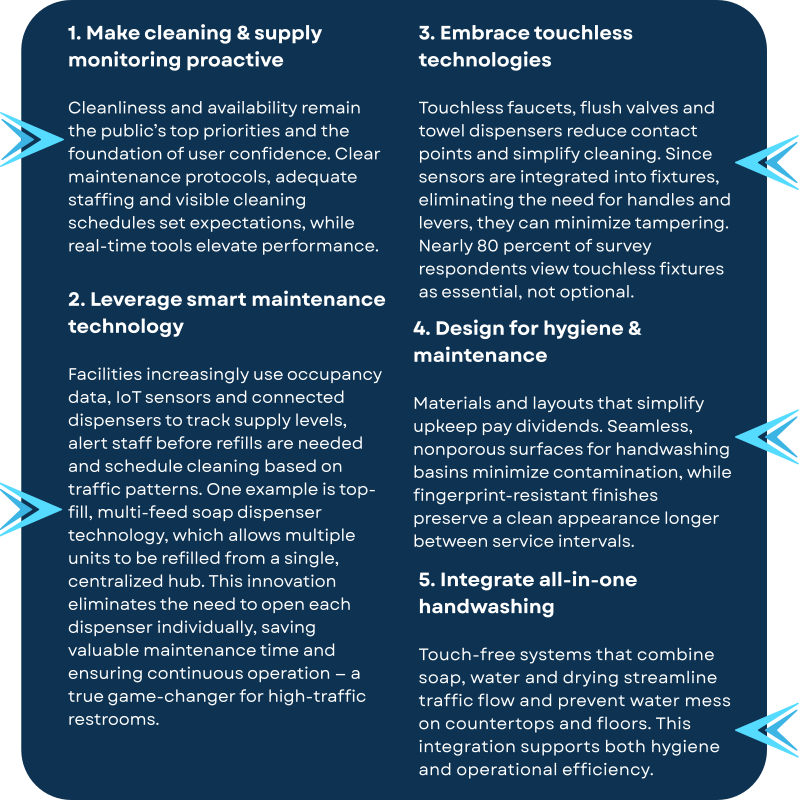
Together, these strategies help facility managers transform restrooms from maintenance challenges into high-performing assets that contribute to organizational success.
Shifting standards & rising expectations
The past decade — particularly the pandemic years — reshaped how people view hygiene. Cleanability, touchless operation and visible sanitization are now baseline expectations.
Preferences for touchless fixtures surged between 2020 and 2022 as awareness of surface transmission risks grew. Today, nearly 80 percent of respondents say such features are essential to a positive restroom experience. Moreover, 80 percent report washing their hands more frequently or thoroughly to protect against seasonal viruses, increasing restroom usage and maintenance needs.
Cleaning frequency and supply reliability remain the topmost requested restroom improvements. These are not temporary preferences; they represent a lasting shift in public hygiene standards. Facilities that meet these expectations earn greater trust and repeat use.
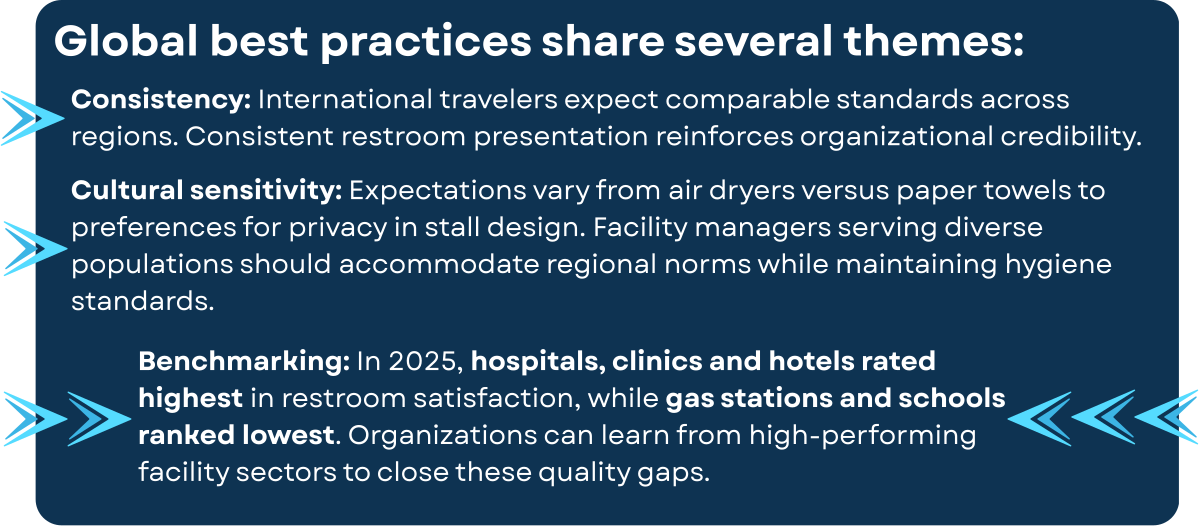
A global perspective on restroom quality
Although the Healthy Handwashing Survey is U.S.-based, its insights resonate globally. In airports, hospitals, schools, hotels and shopping centers worldwide, restrooms form a universal intersection between facility operations and user experience.
Sector-specific opportunities
Different facility types face distinct restroom challenges:
-
Health care: Hospitals must uphold the strictest hygiene standards to prevent infection. Touchless systems, accessible design and frequent cleaning reinforce safety and trust.
-
Hospitality: For hotels and resorts, restrooms reflect brand quality and influence guest satisfaction. A spotless, thoughtfully designed restroom enhances the guest experience.
-
Retail & foodservice: Restrooms are extensions of customer service. Clean, well-maintained spaces affect how long patrons stay, whether they return and are willing to spend.
-
Education: Schools often operate with limited maintenance budgets, but improved cleaning schedules and upgraded materials can dramatically raise satisfaction, recruitment and retention.
-
Transportation: High-traffic restrooms in airports and transit hubs demand durable, hygienic materials and efficient layouts that facilitate efficient and frequent cleaning.
By tailoring improvement strategies to their specific sectors, FMs can address user expectations effectively and support organizational goals.
 Restrooms designed for inclusivity & sustainability
Restrooms do more than promote hygiene — they reflect an organization’s culture, priorities and respect for all occupants. Facilities that integrate inclusive and accessible design demonstrate a commitment to human-centered care, equity and dignity.
Inclusive layouts, gender-neutral restrooms and family-friendly spaces extend usability to everyone, regardless of age, ability or circumstance. Features such as universal changing tables, mixed-height handwashing fixtures and spacious turning clearances accommodate a range of users — from parents and caregivers to individuals with mobility limitations. Well-placed mirrors, touchless dispensers within reach range and ample lighting further enhance comfort, visibility and independence.
Addressing equity also includes supporting personal care needs, such as period products. Around the world, roughly 500 million people experience limited access to menstrual supplies each month. Installing cost-effective, hygienic menstrual product dispensers with free access promotes both health and equality while helping facilities align with emerging legislation in many U.S. states. These additions reduce stress and stigma, creating more supportive and accommodating environments for all occupants.
For individuals with mobility challenges, older adults or caregivers assisting with toileting needs, universal changing tables (UCTs) have become essential features in public restrooms. These ADA-compliant fixtures, which adjust in height and support up to 500 pounds, provide safe and hygienic surfaces for personal care. The International Building Code (IBC) now requires adult changing stations in many public venues, underscoring their importance in inclusive restroom design. Incorporating UCTs demonstrates a facility’s commitment to accessibility and caregiver support, especially in high-traffic locations such as airports, stadiums and cultural venues.
Sustainable practices reinforce these same values. Selecting durable, easy-to-clean materials, optimizing water and energy efficiency, and using environmentally responsible finishes reflect stewardship of both people and planet.
When inclusivity and sustainability converge in restroom design, the result is more than a functional space — it becomes a visible expression of care, accessibility and organizational responsibility that builds trust among every visitor, customer and employee.
Turning maintenance into momentum
Sixteen years of data reveal one consistent truth: restroom quality strongly influences satisfaction, loyalty and brand perception. For facility managers, restrooms are no longer hidden maintenance spaces — they are front-line indicators of operational excellence.
By investing in cleanliness, touchless technology, thoughtful universal design and smart monitoring, facility leaders can transform restrooms into measurable assets that enhance reputation, reduce complaints and promote user confidence.
Clean, functional, inclusive and welcoming restrooms send a clear message: this facility cares. That message, backed by data, is the foundation of loyalty, trust and long-term facility value.

Kris Alderson, MBA, LEED AP, is senior marketing manager for Bradley Company.
Read more on Facility Operations , Quality and Occupancy & Human Factors or related topics Maintenance , Quality Improvement and Occupant Health
Explore All FMJ Topics