Membership
 Network
 Regional Sites & Affiliates


 Events
 Participate
 Resources

 Training
 Credentials
 Government


 Content Channels
 Tools


 Business Overview





More Than Technology
The data center of today & tomorrow
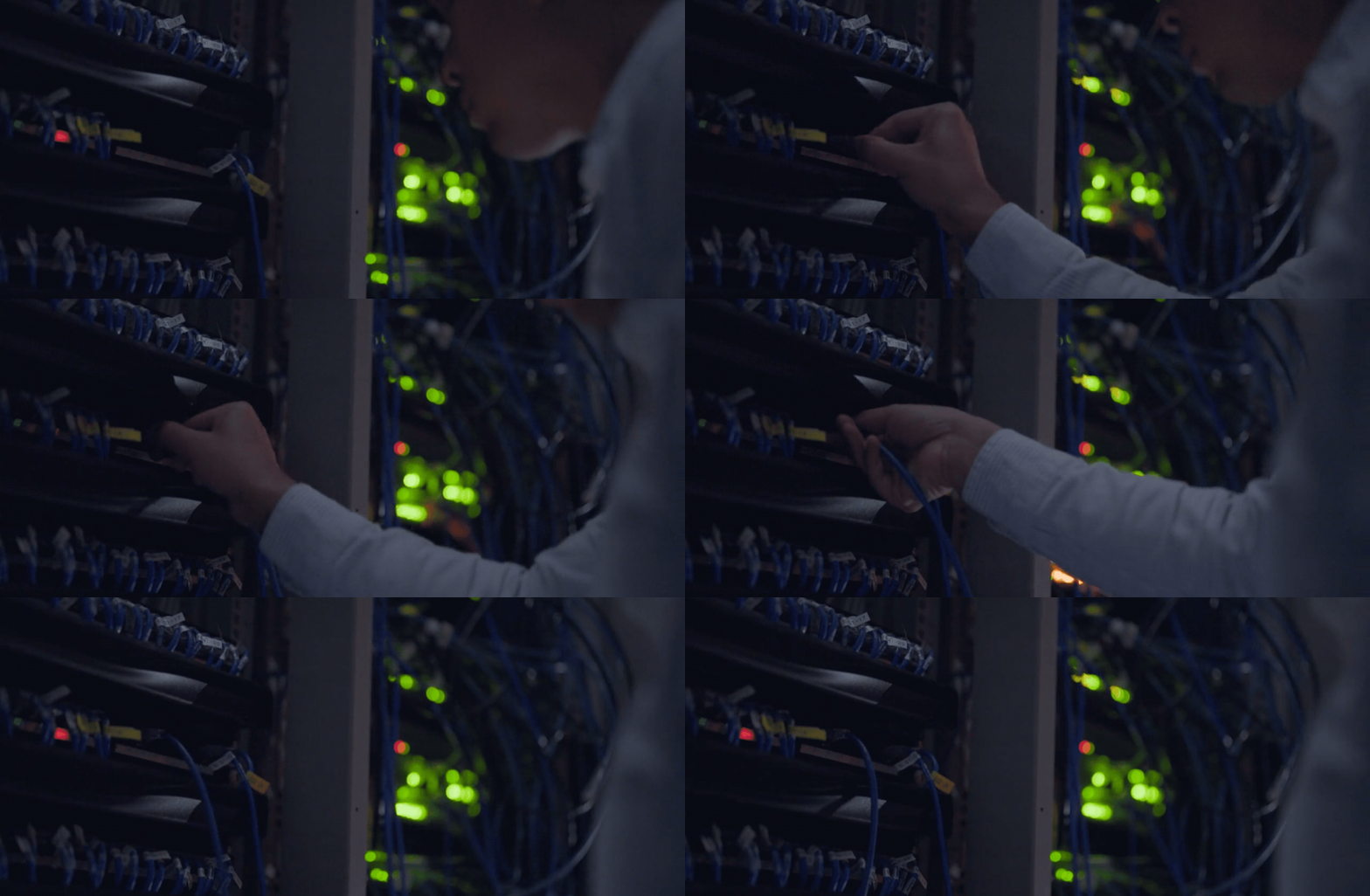
Data centers are and will be transformed by rapidly evolving computing demands that are reshaping the design, operation and management of these environments. As organizations require greater resilience, sustainability, energy efficiency and processing power, data centers are evolving beyond traditional centralized models toward more flexible, distributed and modular infrastructure. This includes advanced electromechanical systems and intelligent infrastructure.
Micro data centers and localized edge environments are becoming important parts of this shift. These smaller computing hubs enable data processing closer to the demand (helping reduce latency), enhance data security, support smart building technologies, and can reduce pressure on centralized cloud infrastructure. As hub-and-spoke (an operating infrastructure in which “hub” data centers are central to core computing, storage, orchestration and enterprise-level data processing, and more distributed “spoke” locations provide localized latency or workload programmed processing in closer proximity to the point or data generation or consumption) models gain traction, facility managers play an even more important role in maintaining, monitoring and optimizing these complex operational ecosystems.
Prefabricated and modular data center development is on the rise. The proliferation of these structures is changing how organizations deliver critical infrastructure, particularly in environments that are remote, underserved or otherwise present barriers that make traditional delivery models challenging. This circumstance presents a unique opportunity for FMs as it demands strategic planning in concert with operational rigor. It highlights the need for reimagined approaches to maintenance, resiliency planning, energy management and life cycle performance.
As digital infrastructure evolves, FMs can become important partners in supporting long-term organizational resilience. When FMs serve as strategic partners, their effective stewardship helps organizations adapt to changing business needs, including implementing and maintaining the physical building infrastructure of data centers.
The impact of compute demands & organizational requirements
Compute demands are reshaping the design, operation and management of data center environments. This demand is also stemming from individual organizations. When considering an organization's computer demands, one can start with a simple principle: what is needed?
When computing demand, one can typically look at performance, scale and speed while considering organizational constraints of cost, risk, skills and governance. There is often a temptation to maximize every capability; however, when looking to optimize rather than maximize, organizations can arrive at a solution that drives the best business value. With this as a foundation, organizations can explore the best technical design to support business value and long-term business outcomes.
As computer demands accelerate, organizations cannot expect to consistently meet their business needs by adding more servers or expanding capacity using the same methods and vehicles they have in the past. To meet those demands, FMs move toward smarter, more strategic approaches that align technology-based decisions with business objectives, operational risk, cost, sustainability and long-term resilience.
This shift in mindset moves the emphasis to core organizational requirements, inclusive of resiliency, energy efficiency, sustainability, scalability and reliability. The criticality of these requirements has moved to the forefront as data centers support mission-critical applications, digital services, customer interactions, business operations and regulatory obligations. The impact of any failure in these environments extends far beyond a technical outage; it can result in financial loss, operational disruption, reputational damage and compliance risk.
Achieving this level of resiliency calls for more than just redundant systems. It relies heavily on a coordinated approach that includes proactive maintenance, risk management, workforce safety, physical infrastructure planning, technical safeguards, emergency preparedness and recovery procedures. FM staff is central to supporting resiliency and ensuring that critical environments are properly designed, maintained, monitored and prepared to withstand disruption.
As data centers consume more power, energy efficiency and sustainability become key business priorities. Consuming less energy can reduce costs, support environmental goals and help meet the expectations of regulators and stakeholders. Today’s business climate requires on-demand access to applications, data and services, making reliability more important than ever.
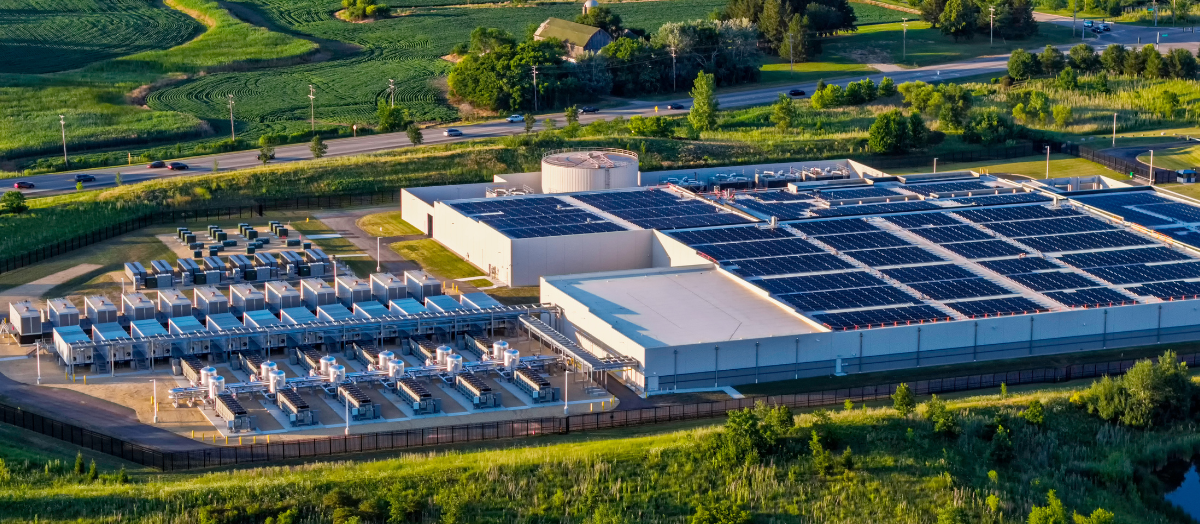
The idea of “always on” may sound simple in its concept, but its realization is complex. Keeping systems perpetually running takes careful planning, strong infrastructure, skilled staff and regular maintenance. Reliable service is essential for business continuity, protecting revenue, building partner and customer trust, and remaining compliant. It calls on an organization to plan for constant delivery across facilities, systems, people, processes and technology. In a climate where digital access is not only expected but demanded at all times, reliability becomes a measure of both operational excellence and organizational credibility.
The inevitable evolution of digital infrastructure moves the goal line from maximizing resources to optimizing outcomes. The most impactful and successful data center strategies will balance performance, reliability, resiliency, sustainability, scalability and cost to deliver the greatest value to organizations. For FMs, this opens the door to move beyond traditional operations and align themselves as not only strategic partners, but active participants in enabling the modern business culture.
The data center evolution
Hub-and-spoke and edge-based models also underline the need for more advanced energy systems, intelligent infrastructure and evaluation of new innovative solutions. Prefabricated and modular solutions are a growing part of future data centers that enable scalable deployment while reducing construction time, costs and environmental impact.
The hub-and-spoke model also increases the need for business continuity planning. As the demand for edge environments grows, so does the need to plan for and manage the risk to these environments. For example, if companies add additional edge devices and/or servers to a building's new or existing data rooms and closets, they may not have the needed cooling capacity or backup systems in place. Many times, this changing demand requires new solutions. When the power goes out, and the cooling system is shut down, but the equipment is still running on back-up batteries, FMs must plan for and implement new industry solutions to mitigate these risks.
The impact on FMs
As digital infrastructure evolves, FMs will become critical partners in supporting operational continuity, scalability and long-term organizational resilience. FMs must adopt new technologies, use data-driven strategies and try new ways of working to succeed in complex environments. They must understand AI, cloud computing, cybersecurity, risk management, digital twins, predictive maintenance, sustainability, energy management and available solutions.
When FMs build these skills, they evolve from simply operating buildings to becoming key business partners. This modification will help them support their organizations by improving performance, building resilience, and keeping up with a more connected and tech-driven world.
As the physical footprint of critical environments changes, so does the requirement for FMs to plan for and maintain these environments. These changes drive the opportunity to learn and lead innovative solutions, including adopting technology-enabled systems that support a proactive approach to understanding the real-time operation of electric and mechanical systems. Maintaining these critical environments requires FMs to strengthen and/or learn additional core competencies.
Data center evolution is no longer just a technology story, it is a transformation driven by AI, growing computing demands, a change in use, increased resilience needs and a requirement for greater sustainability. Organizations must manage performance, risk, sustainability, security and cost in an efficient manner. A move from centralized to distributed digital infrastructure, such as edge, micro, modular and prefabricated environments, will add to management complexity, especially as additional computer environments are changing and/or added in multiple locations. Infrastructure that is reliable, scalable, energy-efficient and robust will determine success.
FMs will be key in this transformation as their duties will extend beyond just the day-to-day building operations, becoming strategic partners in the data center environment. This could include overseeing and helping manage digital infrastructure, business continuity, energy optimization, risk mitigation and life cycle performance. As technology moves closer to data sources and edge computing grows in popularity, FMs must ensure resilience, security and business continuity across a range of environments.
Organizations that invest in advanced infrastructure and provide the skills, tooling and technology needed for FM teams will be best placed to meet future business needs successfully. FMs can transition from operational to strategic business partners by harnessing innovation, data-driven decision-making and emerging technologies. This evolution enables the creation of resilient, sustainable, high-performing digital frameworks that drive organizational success in an increasingly analytics-driven environment.


Irene Johnson, CFM built her career leading corporate real estate and facilities organizations, aligning people, processes and business objectives to drive lasting impact. Her experience spans global operations, workplace strategy and capital programs, with a focus on developing high-performing diverse teams and delivering operational excellence. Her professional credentials include the Pepperdine Graziadio certificate in Socially, Environmentally and Ethically Responsible (SEER) Business Strategy and Leadership Coach with the Braven Accelerator. She serves as managing partner for Viridian Management Group. She is long-time member of IFMA and is a past chair of the IFMA Foundation Board of Trustees, the IFMA Foundation Executive Advisor & Chair of Global Workplace Initiative programs and past president of the IFMA San Fernando Valley Chapter. In 2021 she received the GlobeSt. Elite Women of Influence Humanitarian Award.

Brett Spindler is a seasoned enterprise software leader and senior director at Schneider Electric, where he spearheads digital transformation initiatives that connect people, places and processes through smart, digitally enabled assets. With more than two decades of experience across global blue-chip organizations, Spindler's career spans leadership roles in service, automation and business development, including pivotal positions at leading engineering and automation companies.

Colette Temmink, CFM is focused on delivering innovative and sustainable thermal solutions for commercial real estate. She is an accomplished business leader with experience in corporate real estate, facility management and PropTech. Temmink is also a former member of IFMA’s Global Board of Directors. Her professional credentials include Counselor of Real Estate (CRE®), Certified Property Manager (CPM®), Master of Corporate Real Estate (MCR®) and Senior Leader of Corporate Real Estate (SLCR®).

Ebony Wilson is a PMP-certified senior program and PMO leader with more than 15 years of experience supporting complex technology, operations and infrastructure initiatives. Her work focuses on governance, modernization, stakeholder alignment and operational readiness across public-sector, utility, education and enterprise environments. She brings a practical, execution-focused perspective to facility management, with an emphasis on resiliency, process improvement and sustainable performance. She serves as portfolio partner for Logic Corporation.
Read more on Facility Operations and Emerging Topics or related topics Carbon Footprint , Energy , Cybersecurity and Facility Technology
Explore All FMJ Topics