 Membership
 Network
 Regional Sites & Affiliates


 Events
 Participate
 Resources

 Training
 Credentials
 Government


 Content Channels
 Tools
Tools


 Business Overview




Park(ing) & Restoration
Preparing the lot for a returning workforce
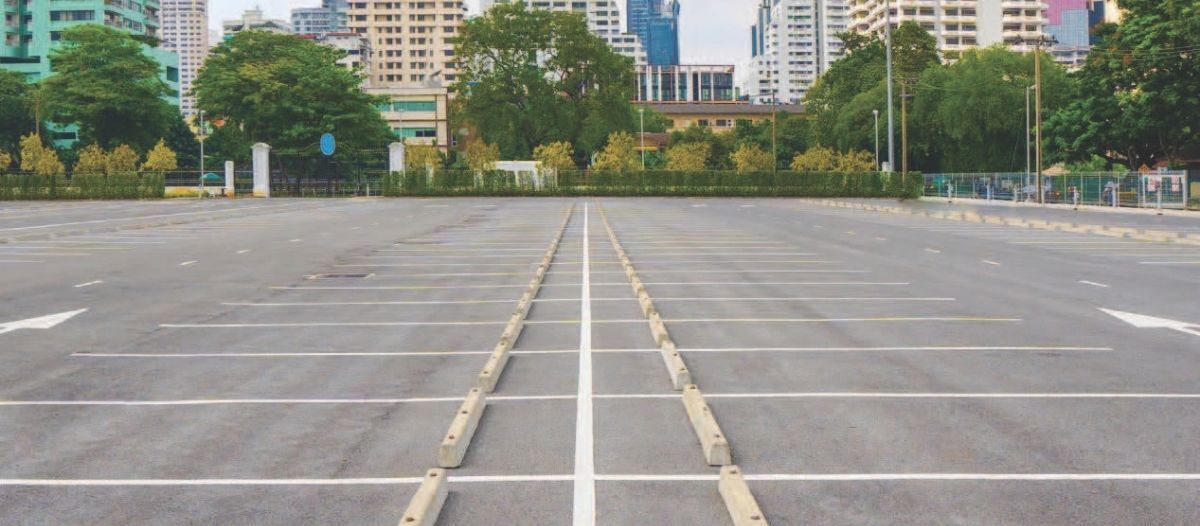
The COVID-19 pandemic is changing virtually every aspect of life, work and play. Busy business, retail and entertainment centers suddenly experienced indefinite closures for public safety.
In the northern hemisphere, spring signals seasonal workers to make exterior facility repairs to windows, roofing, siding, and paving. But with government-mandated closures this year for non-essential businesses, the timeline for ensuring facilities are functional looks much different for many operators. This includes parking lots.
During the winter months, parking lots and driveways were likely a few of the items hit most heavily. Most people think a mild winter means that parking lots will have less damage, but the opposite is actually true. A mild winter with fluctuating temperatures means that the pavement is expanding and contracting at an increased rate, creating more cracks and potholes as spring approaches.
Once potholes are introduced to the surface, they can continue to “open up” as they sit for prolonged periods of time, meaning that the inside walls chip away gradually as they are perpetually exposed to the elements and vehicle traffic. Couple that with the fact that much of the damage has been sitting idle since mid-March, and operators could have substantial issues to address when it comes to lot repairs.
This creates a paradox for many FMs following the COVID-19 outbreak. With many companies feeling the financial crunch following the loss of revenue as a result of the pandemic, maintenance must be essential to be considered for this year’s budget. However, businesses also must be mindful of safety regulations as they prepare for re-opening.
Understanding the different types of parking lot repairs. The good news is that parking lot and driveway repairs don’t always have to be a complete repave. It is important to know all the options available when it comes to repair methods can ensure the project comes in below budget where repaving is concerned.
Knowing the different types of repairs for various levels of damage will allow FMs to make sure their sites are safe for reopening without investing a huge chunk of the operating budget in repairs. It will allow the FM team to have a well-educated conversation with a paving professional, and it can help map out a more long-term strategy as needed.
Generally speaking, there are five levels of repairs:
1. Crack sealing: The least extensive repair, which involves filling small cracks (less than one-fourth of an inch wide) with a liquid filler.
2. Seal coating: If several cracks have already been filled, seal coating protects the vulnerable points in your lot from the elements. This process is ideally done every 2-4 years after initial crack sealing.
3. Resurfacing: This involves adding a new layer of asphalt on top of the existing lot’s surface. Ideally, it can add about 10 years to the lifespan of the lot and is more affordable than a total replacement.
4. Milling & resurfacing: Removing the first layer of asphalt and replacing the surface directly underneath it, which can be a costly repair, but it will extensively prolong the life of the lot.
5. Full lot replacement: Lots typically only need to be completely replaced when 25 percent or more of the surface is damaged. Because this is the most extensive measure, it is generally only utilized when there are structural issues below the surface level of the lot.
Auditing the parking lot for damage
Understanding the different levels of repairs ensures that the FM team is armed with the information needed to perform a site audit. How quickly and efficiently they’re able to assess and address the issues will be the key to resuming operations safely, which is the key for survival across every sector, from education to transportation to retail to healthcare.
Before connecting with any outside paving professionals, the FM team should assess existing damage to lots, which will provide them with the information they need to set realistic expectations with the paving contractors.
Looking for items like potholes, cracks, and rutting – which is when the pavement shows grooves from wear and tear – is a good place to start an audit. While record these damages, keep two elements in mind: the quantitative level of damage and the severity of damage.
The quantitative level of damage has to do with the number of issues the parking lot has. The FM team should calculate the number of potholes that need to be filled, the number of cracks that need to be sealed, and the number of spots showing signs of rutting. Having numbers ready will allow for a paving company to quickly provide a personalized, realistic estimate for repairs.
While accounting for the number of issues, they should also keep the severity of damage in mind. For example, a pothole that is several feet wide is generally more concerning than several small potholes and may cause structural damage to the lot that would require a complete repave. As the team notes the severity of each issue in your lot, it will allow honest discussion with the paving contractor about the types of repairs needed versus the available budget.
Once the damage is assessed and the types of repairs are identified, contact a few different paving contractors for quotes. The sooner the call, the more likely the repairs will be completed on schedule.
Many businesses are beginning to re-open, so consider that many of them have un-addressed damage and will also contact pavement contractors. Prioritizing repairs that need third-party operators first is a smart move.
Make sure to consider an ongoing maintenance plan. While some businesses will have pressing repair needs in the midst of their reopening schedule, others may be able to get by without investing much in their parking lot.
However, just because a parking lot is not compromised this year does not mean it will not need maintenance now to prevent long-term issues. Putting a plan in place for ongoing maintenance can help avoid costly repairs in the immediate future. Most businesses that took precautionary measures last year are finding themselves in a much better position to reopen quickly, safely, and affordably.
If there are no immediate needs for the lots or driveways, considering a quick seal coat is a great way to preserve its lifespan. The seal coat will freshen up the lot, showing customers that the FM team takes pride in their business and safety. It will also allow the parking lot to be prepared for any re-opening timeline.
Empty parking lots are also a great time to consider other upgrades if there is room in the budget. While lots are still empty, a restripe of the parking lines is a quick project for companies that don’t have to reserve funds for heavier repairs.
After partnering with a trusted paving contractor, they will be able to help create a plan to preserve the lot’s lifespan
Getting on a yearly plan with a quality contractor ensures the facility’s parking lots and driveways are taken care of in the most financially efficient way, allowing FMs to focus on their organization's needs.
Normally, FMs should budget for larger restorations every 10 years, with total repaves typically happening every 15-20 depending on how well the lot is maintained. By cleaning asphalt to remove debris, fuel, and oil each month with a pavement-specific cleaning agent and annually sealing and coating the surface, the parking lot can have a longer lifespan. Addressing damage as it happens also helps preserve its longevity.
Having an ongoing maintenance plan in place ensures that if another crisis situation arises in the coming decades, the FM team will be prepared to weather the storm long-term.

Bob Lester is president and CEO of Dura-Seal. He has worked in the paving industry for more than 20 years, leading two buyouts, an acquisition and the sale of an equipment manufacturing company at Dura-Seal. Prior to joining the company, Lester studied business finance at Otterbein University.
References
Top image via Getty Images.
Read more on Facility Operations or related topics Operations and Maintenance Planning and Operational and Capital Budgeting
Explore All FMJ Topics