 Membership
 Network
 Regional Sites & Affiliates


 Events
 Participate
 Resources

 Training
 Credentials
 Government


 Content Channels
 Tools
Tools


 Business Overview





Prefabrication
Achieving optimal outcomes for food processing facilities
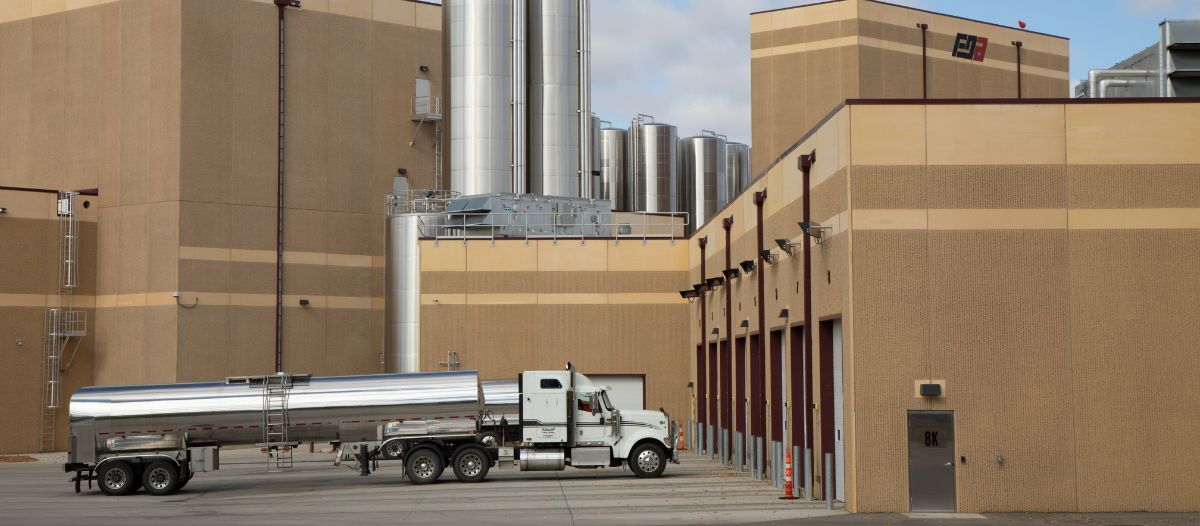
Food processing facilities demand a level of structural performance, operational uptime and sanitation rigor unmatched by most other industrial building types. Production areas must withstand significant mechanical loads, endure extreme temperature fluctuations, and tolerate years of aggressive washdown cycles without compromising safety or regulatory compliance. At the same time, facilities must maintain operational continuity, minimize shutdowns and provide flexible space that can adapt to new equipment and market demands.
Facility management teams are turning to prefabricated concrete building systems to meet these requirements. Prefabrication, defined here as the off-site manufacturing of structural or enclosure components in controlled conditions, provides predictable performance, accelerated project delivery and long-term durability. For food processing environments, three characteristics consistently shape their value: speed, sanitation and stability.
Structural stability & performance under industrial loads
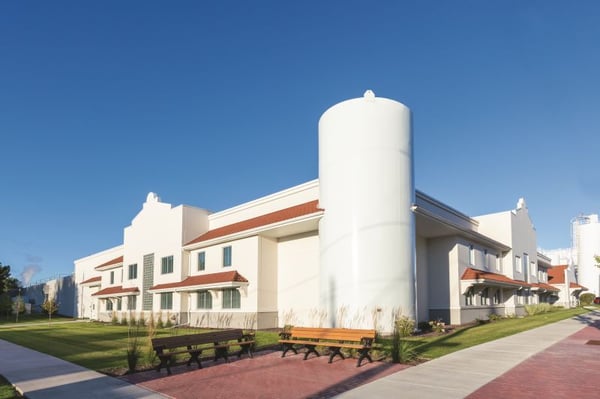 Food processing operations exert significant stress on building structures. Packaging silos, automated conveyors, mix tanks, refrigeration compressors and elevated walkways all impose heavy, concentrated loads. In cold storage and deep-freeze zones, thermal gradients add further movement and stress to slabs and wall systems.
Prefabricated concrete components are produced under factory-controlled conditions, ensuring repeatable quality and high-strength performance. Prestressed and post-tensioned reinforcement techniques introduce internal compression, allowing elements to span longer distances while resisting deflection. Precast/Prestressed Concrete Institute (PCI) industry data cites strand strengths reaching 270,000 pounds per square inch (psi), enabling systems capable of supporting overhead mechanical runs, multilevel process mezzanines and heavy equipment pads without excessive additional framing.
For FM teams, the operational implications are significant:
- Reduced vibration in areas with overhead conveyors or precision automated equipment
- Simplified reconfiguration when upgrading or relocating process lines
- Enhanced durability in environments with continuous forklift traffic
- Extended service life of floors and load-bearing components
Predictable performance also supports more accurate life cycle planning, an increasingly important element within asset-management programs.
Sanitation, hygiene & regulatory compliance
Sanitary design is central to food FM. Surfaces must prevent bacterial harborage, withstand frequent washdowns, resist corrosion and maintain integrity under thermal shock. Any cracks, exposed joints or ledges create challenges during sanitation cycles. They can lead to regulatory noncompliance under the standards enforced by agencies such as the U.S. Department of Agriculture (USDA), European Food Safety Authority (EFSA), as well as regional authorities.
Prefabricated concrete can contribute to sanitation goals through:
-
Controlled surface finishes: Factory casting allows concrete panels to be produced with smooth, void-free troweled finishes that minimize areas where contaminants might accumulate. When required, antimicrobial or epoxy coating can be applied to further improve cleanability.
-
Ledge-free panel geometry: Prefabricated wall and ceiling panels can be formed with integrated insulation and reinforcement, reducing the need for secondary framing or cladding systems. This creates continuous, monolithic surfaces without unnecessary projections, which is an essential benefit in washdown zones.
-
Vapor & moisture control: Insulated precast sandwich panels incorporate continuous insulation layers and internal vapor barriers. This reduces the risk of moisture infiltration, mold development and condensation — issues that are particularly challenging in facilities with temperature-controlled areas.
-
Fewer joints & sealants: The panelized nature of prefabricated concrete reduces reliance on field-applied sealants that degrade over time. Fewer joints require inspection, replacement or sanitation monitoring, which decreases long-term maintenance and contamination risk.
These characteristics align with global sanitary design principles published by organizations such as the International Association for Food Protection (IAFP) and the Global Food Safety Initiative (GFSI).
Construction speed & reduced operational disruption
Downtime is one of the highest-cost factors in food processing operations. Maintenance shutdowns are carefully scheduled, and expansions or upgrades frequently occur while production continues elsewhere in the facility.
Prefabrication directly supports these time-sensitive needs through:
-
Parallel manufacturing & site preparation: Off-site fabrication allows structural and envelope components to be produced while site work is underway. As a result, installation can begin immediately once foundations, utilities and grading are complete.
-
Just-in-time delivery & rapid erection: Panels arrive ready for installation and are placed using cranes, often achieving full weather enclosure significantly faster than site-built alternatives. In global markets where weather volatility affects project schedules, prefabrication reduces exposure to these risks.
-
Streamlined integration with existing facilities: FM teams managing renovations or expansions can coordinate decommissioning activities around the prefabricated installation sequence. This approach can shorten shutdown windows and reduce the need for temporary enclosures or off-season production planning. When future facility growth is projected, panels can also be planned for easy removal and reconfiguration.
-
Reduced labor sensitivity: Shortages of skilled on-site labor affect many regions across the globe. Off-site manufacturing reduces dependence on large field crews and creates more predictable scheduling for facility managers planning around project milestones. Industry case analyses indicate that prefabrication can decrease overall construction durations by 30-50 percent in certain industrial building types, depending on design complexity and logistics. For facilities requiring continuous operations, this schedule compression can significantly reduce lost production time.
-
Thermal efficiency & environmental control: Food processing environments often require precise temperature control across multiple zones — ambient processing, refrigerated storage, blast freezing, fermentation rooms and clean packaging lines. Maintaining these conditions depends on building envelopes designed to control vapor migration, thermal bridging and air infiltration.
Prefabricated insulated wall systems bring several advantages:
-
Continuous insulation from edge to edge within the panel, enhancing thermal uniformity
-
Built-in vapor barriers that reduce condensation risk in cold areas
-
Airtight performance achieved through closely controlled joint details
-
Compatibility with high-performance door, glazing and refrigeration interfaces
In some applications, prefabricated systems can serve as the structure of the refrigeration enclosure itself. The reduction in thermal discontinuities compared to metal panel systems can improve energy efficiency and reduce long-term cooling costs, which are important considerations as organizations pursue carbon-reduction and energy-management strategies.
Life cycle value, durability & maintenance planning
The extended service life of prefabricated concrete contributes directly to lower life cycle costs. The material is highly resistant to corrosion, mechanical wear and impact — conditions common in food processing environments.
FM typically experience operational benefits such as:
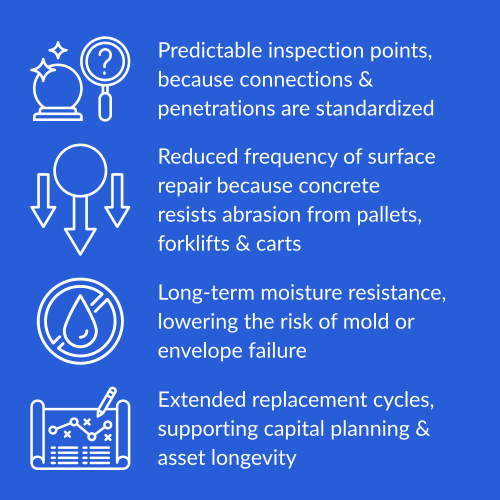 While routine inspection of joints, coatings and waterproofing remains essential, prefabricated components often require fewer interventions over their lifespans than alternative building systems. This supports facilities pursuing standards such as ISO 55001 for asset management.
Integration with building management systems & digital infrastructure
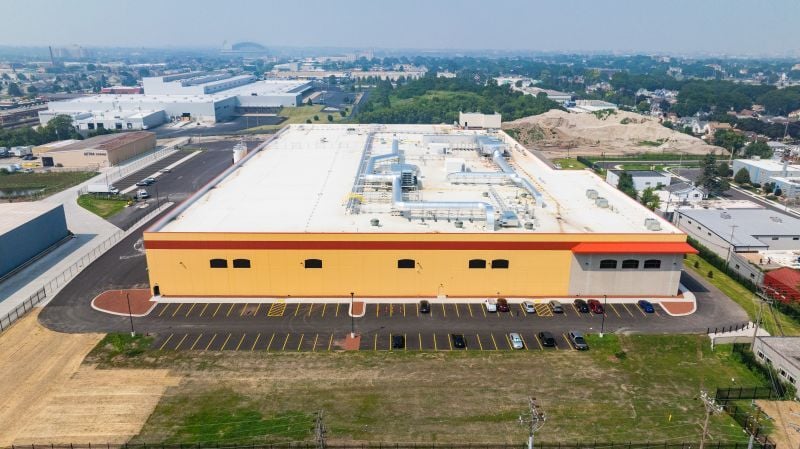 Modern food facilities increasingly rely on digital oversight, including building management systems, industrial monitoring and digital twin environments. Prefabricated systems can be pre-engineered to accommodate these requirements.
-
Design coordination advantages: Openings for mechanical, electrical and plumbing (MEP) connections can be integrated during the design stage and incorporated during manufacturing rather than being cut on site. This ensures proper planning for structural strength and minimizes field adjustments that may create sanitation concerns or slow construction progress.
-
Reduced shutdown duration: Because prefabricated components arrive ready for final connection, integration with existing building systems typically occurs during a short commissioning window. FMs can coordinate these installations with production schedules to avoid prolonged downtime.
-
Support for future upgrades: The inherent strength of prefabricated concrete allows for future rooftop unit placement, new conveyor routes or additional mezzanines without major structural modification. This adaptability is valuable in industries where equipment cycles shorten as automation increases.
Evaluating when prefabrication makes sense
While prefabrication brings substantial benefits, it is not the ideal solution for every project condition. Facility managers assessing construction or expansion options should consider the following factors:
-
Standardization vs. customization: Highly customized facility geometries or complex architectural forms may diminish the efficiencies gained through prefabrication. Conversely, linear processing halls, cold-storage blocks and utility structures are well suited for prefabricated concrete building solutions.
-
Site accessibility & logistics: Prefabricated components require crane access and transportation routes capable of handling large elements. Regions with challenging access or tight urban environments may require alternative strategies, although planned modularization during the design can often mitigate these challenges.
-
Climate & regional construction practices: In regions with significant labor shortages or weather variability, prefabrication can offer meaningful advantages. In others, local construction traditions may influence cost-effectiveness.
-
Future expansion plans: Where long-term growth is anticipated, prefabricated systems offer flexibility that may reduce future capital expenditure.
Many global facility portfolios include a mix of building types; therefore, prefabrication often becomes part of a broader construction strategy rather than a universal solution.
Considerations for FMs during planning & execution
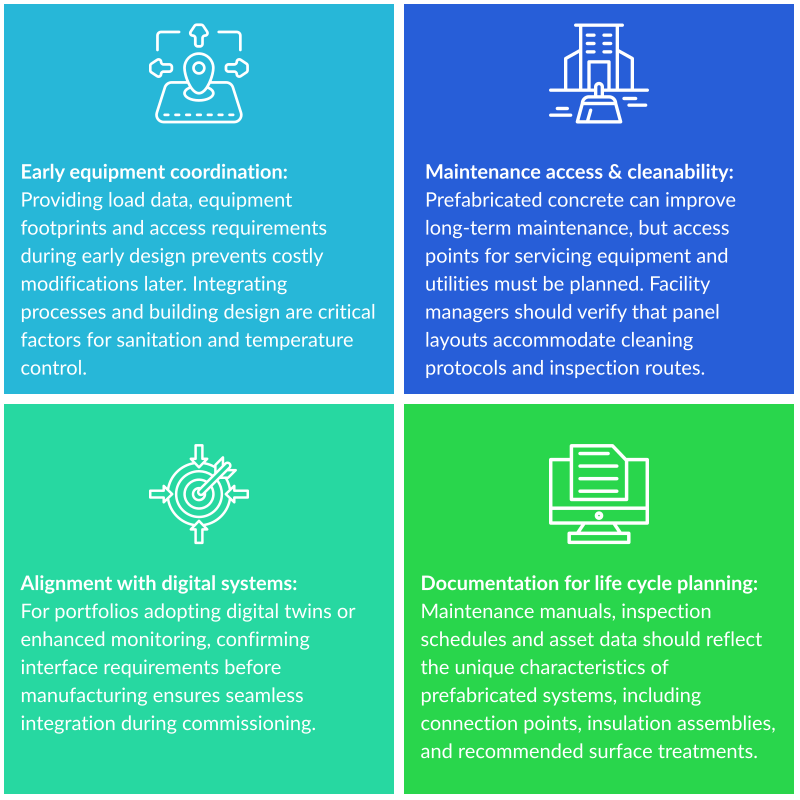
Because prefabrication compresses certain phases of design and construction, early coordination is essential. FM teams can support successful implementation by focusing on several key areas:
 Trends driving increased adoption
Several trends are accelerating the use of prefabricated building systems in the food industry:
-
Labor shortages in construction and skilled trades
-
Growth of cold storage demand, driven by e-commerce grocery models
-
Sanitation requirements that necessitate durable, nonporous surfaces
-
Energy-efficiency regulations and decarbonization commitments
-
Increased automation, requiring stronger floor systems and adaptable structures
-
Resiliency planning, particularly in geographies affected by extreme weather events
Prefabrication offers FMs a tool to respond to these pressures with greater predictability and reduced operational risk.
Food processing environments place extraordinary demands on buildings. They require structures capable of carrying heavy industrial loads, enclosures that maintain strict temperature and hygiene conditions, and footprints that adapt as production technologies evolve. Prefabricated concrete systems offer facility managers a means to achieve these goals with accelerated construction, enhanced sanitation and reliable long-term performance.

Brett Evenson is a business development manager for Wells’ Great Lakes region. He began his career nearly 40 years ago in the design and engineering department and has experience across production operations and field services. With a strong background in food processing facility design, Evenson partners closely with design teams during preconstruction to understand each client’s needs and challenges, applying his deep industry knowledge to deliver thoughtful, innovative solutions that exceed expectations.
References
Images provided by the Wells.
Read more on Facility Operations and Project Management or related topics Supplier or Vendor Management , Project Management and Materials and Consumables
Explore All FMJ Topics