Membership
 Network
 Regional Sites & Affiliates


 Events
 Participate
 Resources

 Training
 Credentials
 Government


 Content Channels
 Tools
Tools


 Business Overview





Restoration Readiness
Recovering buildings after disruption
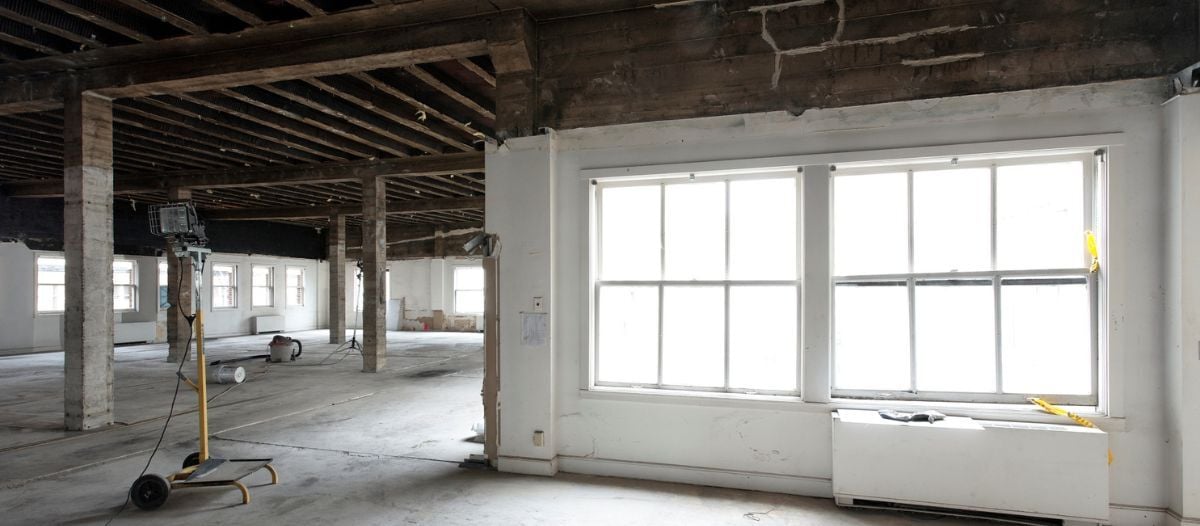
Disruption in the built environment rarely arrives on a convenient schedule. Water intrusion, fire, smoke, storm damage, power failure, equipment breakdown, flooding, extreme heat, civil disruption and aging building conditions can all affect facility operations with little warning. For facility managers, the question is not only how quickly a building can be repaired. The larger question is how an organization can protect people, limit damage, maintain essential operations and make sound decisions during an event that may be changing by the hour.
Restoration is the process of stabilizing, cleaning, drying, repairing or rebuilding a facility after damage or disruption. In an FM context, restoration may include emergency response, temporary controls, moisture management, smoke and odor removal, contents handling, environmental review, selective demolition, reconstruction, documentation and stakeholder communication.
 The need for this planning is increasing. Global disaster losses create financial, operational and social pressure on organizations. The United Nations Office for Disaster Risk Reduction reported that direct disaster losses are often estimated at more than US$200 billion annually, while broader cascading impacts can be far higher when supply chains, ecosystems and economic disruption are included. Reinsurers have also reported more than US$100 billion in annual insured natural catastrophe losses worldwide. These figures reflect a broader reality: disruption is no longer limited to rare, isolated events.
When restoration is the right path
Restoration is often the right choice when a building or building system can be stabilized and returned to safe use without full replacement. Examples include water damage from a roof leak, smoke contamination after a localized fire, storm-related envelope damage, moisture intrusion affecting finishes, or a mechanical failure that disrupts parts of a facility.
Restoration may also be appropriate for aging buildings when damage exposes a condition that can be corrected without replacing the entire asset. In these cases, restoration can support both recovery and longer-term asset management. For example, recurring water intrusion may reveal the need for roof replacement planning, drainage improvements, building envelope repairs or mechanical system upgrades.
However, restoration is only one option. Facility leaders may also need to evaluate replacement, phased renovation, temporary relocation, demolition, capital improvement, system redesign or operational shutdown. The right decision depends on the extent of damage, building age, occupancy requirements, health and safety risks, insurance coverage, code requirements, availability of materials, and the long-term purpose of the facility.
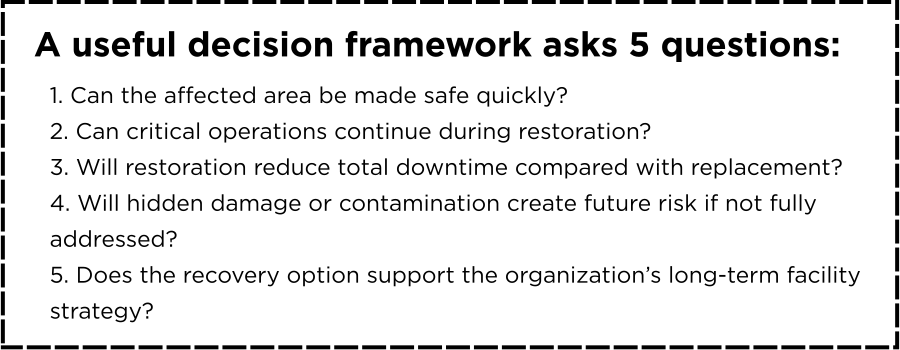
When these questions are answered before a crisis, decision-making becomes faster and less emotional during an actual event.
Restoration as part of business continuity
Restoration planning should be part of a broader business continuity plan (BCP). A BCP identifies how an organization will continue essential functions during disruption. Facility restoration plays a direct role because buildings, utilities, equipment and occupancy conditions often determine whether operations can continue.
International standards reinforce this connection. ISO 22301, the international standard for business continuity management systems, focuses on preparing for, responding to and recovering from disruptions. ISO 41001, the international standard for FM systems, emphasizes effective and efficient FM that supports organizational objectives. Together, these frameworks point to a practical conclusion: restoration readiness should not be treated as a vendor contact list. It should be treated as part of organizational resilience.
A restoration readiness plan should include:
-
emergency contacts and decision-makers
-
authority levels for emergency work approval
-
site access instructions for normal and after-hours conditions
-
utility shutoff locations
-
roof access details
-
mechanical, electrical and plumbing information
-
fire protection system information
-
hazardous material or environmental considerations
-
tenant, employee or occupant communication procedures
-
insurance contacts and policy information
-
critical areas ranked by operational importance
-
documentation requirements for claims, compliance and internal reporting
-
preferred communication cadence during an event
-
requirements for safety, security and access control
This information should be reviewed at least annually and after major building changes, tenant changes, capital projects or insurance program updates.
Who should be involved before a loss
Restoration planning is most effective when it includes more than the FM department. A building disruption can affect operations, finance, legal risk, employee safety, customer service, technology, insurance, communications and executive leadership.
The planning group should include representatives from FM, operations, risk management, health and safety, finance, legal, communications, security, insurance and senior leadership. In multitenant properties, property management and tenant representatives may also need to be included. In highly regulated environments, compliance, environmental health, clinical operations, food safety or data security leaders may also have a role.
Each group should understand its responsibility before a loss occurs. FM may lead building stabilization. Risk management may lead insurance coordination. Operations may determine which functions must resume first. Communications may manage occupant updates. Finance may approve emergency spending. Legal may review contracts, liability and documentation. Senior leadership may determine whether relocation, shutdown or partial reopening is appropriate.
Without clear roles, emergency response can become fragmented. Multiple people may provide conflicting directions. Approvals may be delayed. Stakeholders may receive inconsistent information. A role-based plan reduces confusion and allows the organization to move from reaction to structured response.
Building a restoration timeline before the event
Disasters often affect more than one facility. Severe storms, floods, freezes, wildfires, earthquakes and regional power outages can damage countless buildings across the same area. In these conditions, labor, drying equipment, temporary power, roofing support, environmental consultants, specialty contractors, dumpsters, generators and replacement materials may all be constrained.
Organizations can improve outcomes by developing a restoration timeline before an event occurs. This timeline should not attempt to predict every scenario. Instead, it should define the first decisions and actions that must happen during the first hours, days and weeks after a disruption.
A practical timeline may look like this:
 First 0–4 hours: Confirm life safety, restrict unsafe access, stop the source of damage when possible, notify internal decision-makers, document visible conditions and determine whether emergency stabilization is needed.
 First 4–24 hours: Assess affected areas, prioritize critical spaces, begin temporary protection, establish communication channels, notify insurance contacts, authorize necessary emergency work and identify operational impacts.
 First 24–72 hours: Continue mitigation, track environmental conditions, determine whether partial occupancy is possible, communicate status to stakeholders, document work performed and identify specialty needs such as environmental testing, engineering review or temporary utilities.
 First week: Develop a repair or reconstruction path, confirm scope, evaluate schedule constraints, review cost exposure, determine tenant or employee impacts and establish a recurring update rhythm.
 First month & beyond: Complete repairs, review lessons learned, update facility records, address root causes and revise the business continuity plan based on what occurred.
This structure helps facility leaders maintain order when conditions are uncertain.
Prioritizing when resources are limited
When a regional disaster creates widespread demand, not every facility or building area can receive the same level of response at the same time. Prioritization becomes essential.
A priority model should consider life safety first, followed by building stabilization, critical operations, regulatory requirements, revenue impact, occupant displacement, risk of secondary damage and community importance. A hospital, food production site, data center, school, residential building, logistics hub and office property may all require different recovery priorities.
Within a single facility, a wet electrical room may be more urgent than a damaged lobby. A compromised roof over a production line may create more operational risk than water intrusion in a storage area. Moisture near records, medical equipment, servers or essential utilities may require faster action than damage to noncritical finishes.
FMs can prepare by ranking spaces before a loss. A simple criticality map can identify areas as high, medium or low priority. High-priority areas may include life safety systems, electrical rooms, data rooms, mechanical rooms, laboratories, production areas, patient care areas, tenant revenue areas, records storage or public access points. This map helps restoration resources focus first on the areas that matter most to continuity.
Documentation & communication
Documentation is one of the most important parts of restoration readiness. Photos, videos, moisture readings, equipment logs, inspection notes, work authorizations, repair estimates, environmental reports, invoices and communication records may all become important. These records support insurance claims, internal approvals, compliance review and future facility planning.
 A documentation plan should answer several questions:
-
Who captures initial damage photos?
-
Where are records stored?
-
Who has access to documentation?
-
What information is needed by insurance representatives?
-
How are daily updates recorded?
-
How are decisions documented?
-
How are change orders or scope changes approved?
Communication should also be structured. Occupants and stakeholders do not need every technical detail, but they do need timely, accurate and consistent information. Effective updates usually include what happened, what has been completed, what is still being assessed, what areas are affected, what actions are planned next, and when the next update will be provided.
Even when the schedule is uncertain, a predictable communication rhythm helps maintain trust.
Vendor-neutral request for proposal considerations
Organizations that issue a request for proposal (RFP) for restoration or emergency response support should define expectations clearly without over-specifying methods. The RFP should focus on outcomes, documentation, response capability, safety, communication and scalability.
Important RFP elements may include:
-
response expectations for emergency and non-emergency events
-
experience with occupied facilities
-
safety and site control procedures
-
documentation standards
-
communication requirements
-
insurance coordination experience
-
ability to support multisite events
-
environmental and specialty service coordination
-
equipment and labor scalability
-
after-hours support
-
data security expectations for shared documentation
-
references or nonpromotional case examples
-
pricing structure and approval process
-
requirements for subcontractor management
-
procedures for regional surge events
The RFP should also ask how competing priorities are handled during area-wide disasters. This is especially important for organizations with multiple facilities, critical operations or vulnerable occupants.
Case comparison: 2 different outcomes
Consider two similar commercial buildings affected by the same regional storm. Both experience roof-related water intrusion, ceiling damage and wet flooring. The first building has current drawings, roof access instructions, an emergency contact list, predefined spending authority, a critical space map and a communication plan. The FM quickly identifies priority areas, authorizes stabilization and provides consistent updates to occupants and leadership.
The second building has no updated contact list, unclear approval authority, limited after-hours access instructions and no documented priority areas. Several stakeholders contact different vendors, while tenants receive inconsistent information. Initial response is delayed while access, approvals and scope are clarified.
The physical damage may be similar, but the operational outcomes can be very different. The first organization benefits from preparation. The second organization loses time to internal coordination. In restoration, time affects cost, damage progression, occupant confidence and operational disruption.
Turning recovery into long-term resilience
Restoration should not end when the space reopens. Every disruption creates information that can improve future facility planning. Repeated water intrusion may indicate a capital planning need. Slow access may reveal a security or key control issue. Delayed approvals may expose a governance problem. Poor documentation may show a claims management gap. Confusing updates may reveal the need for a communication template.
A post-event review should identify what happened, what worked, what slowed the response, what damage could have been prevented, and what facility investments should be considered. The review should result in updated plans, not just a closed file.
For FMs, restoration readiness is a practical discipline. It connects emergency response, business continuity, risk management, communication, asset management and occupant care. Organizations that plan before disruption are better positioned to stabilize damage, compete for limited resources, protect critical operations and recover with greater confidence.
In a world of rising risk, restoration is not only a repair function. It is part of responsible FM.

Artie Harris is director of business development for Paul Davis Restoration of Louisville, Kentucky, USA, and works within the restoration and property recovery industry, with a focus on supporting commercial property owners, facility managers and property management teams before, during and after building disruptions. His work connects emergency response, restoration planning, client communication and long-term relationship management across commercial facilities. Harris brings a practical, field-informed perspective to facility management, helping organizations think through readiness, response coordination and recovery decisions when water, fire, storm or other property damage events occur.
References
Top image via Getty Images.
Read more on Facility Operations and Risk Management or related topics Operations and Maintenance Planning , Facility Resilience and Supplier or Vendor Management
Explore All FMJ Topics