Membership
 Network
 Regional Sites & Affiliates


 Events
 Participate
 Resources

 Training
 Credentials
 Government


 Content Channels
 Tools
Tools


 Business Overview





Safer Celebrations
Mitigating the holiday rise in fire risks
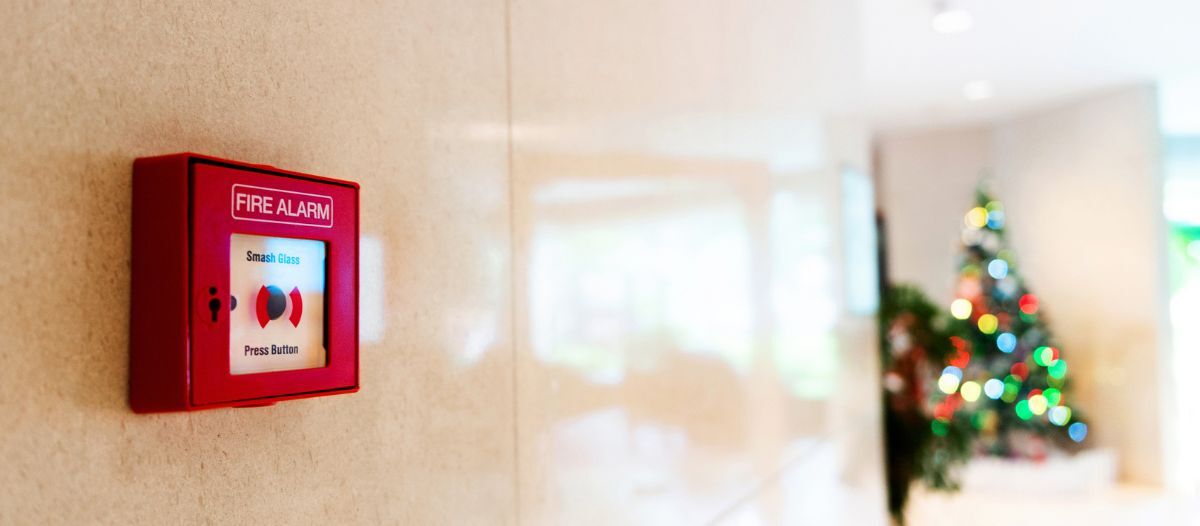
 Parties and decorations are two of the biggest tone-setters of the holiday season. Between festive candles, complex lighting displays and freefalling tinsel, many facilities deck the halls for the holiday. As celebrations commence, organizations also normally see a rise in foot traffic as companies host parties, end-of-year work initiatives and shopping events. While a staple of the holiday season, the increase in flammable decorations and heightened occupancy increase the chances of a fire, putting people, property and the facility itself at potential risk.
What’s at stake?
The holiday season increases the risk of fire in all spaces with the National Fire Protection Association (NFPA) reporting that between the 2019-2023 holiday seasons, an average of US$15 million in public and private property damages resulted of holiday-related fires per year. For facility managers responsible for an entire business structure, understanding and recognizing potential fire risks is difficult, especially given the variations in business types within facilities that each can have their own compliance protocols and safety concerns.
Some businesses like beauty and nail salons, restaurants, and auto body shops, for example, may work with flammable materials or electricity, which increases the risk of fire for the entire facility. According to Exponent, U.S. fire departments respond to an average of nine fires per day involving the ignition of flammable materials in facilities resulting in about 120 civilian injuries or deaths and more than US$260 million in property damages annually.
Understanding the potential danger within each area of a facility is crucial for facility managers looking to address risks during the holiday season. Per NFPA 72, the National Fire Alarm and Signaling Code, FMs must follow strict regulations on appropriate fire alarm applications and conduct regular inspections and maintenance of fire detectors, meaning FMs should be aware of any potential fire hazards present in their facility as a result of regular maintenance checks. This becomes difficult during the holiday season, however, as decorations are quickly set up, taken down or moved.
Fire protection starts with FMs
The holiday season, if not prepared for properly, can pose devastating risks to the safety of an entire facility and its occupants. Unchecked decorations and unsafe parties can result in the destruction of products, merchandise and even entire facilities if a fire incident occurs.
Addressing fire risks during the holiday season
Education, communication and code compliance are critical to ensuring fire safety standards are met and occupants remain safe during the holiday season.
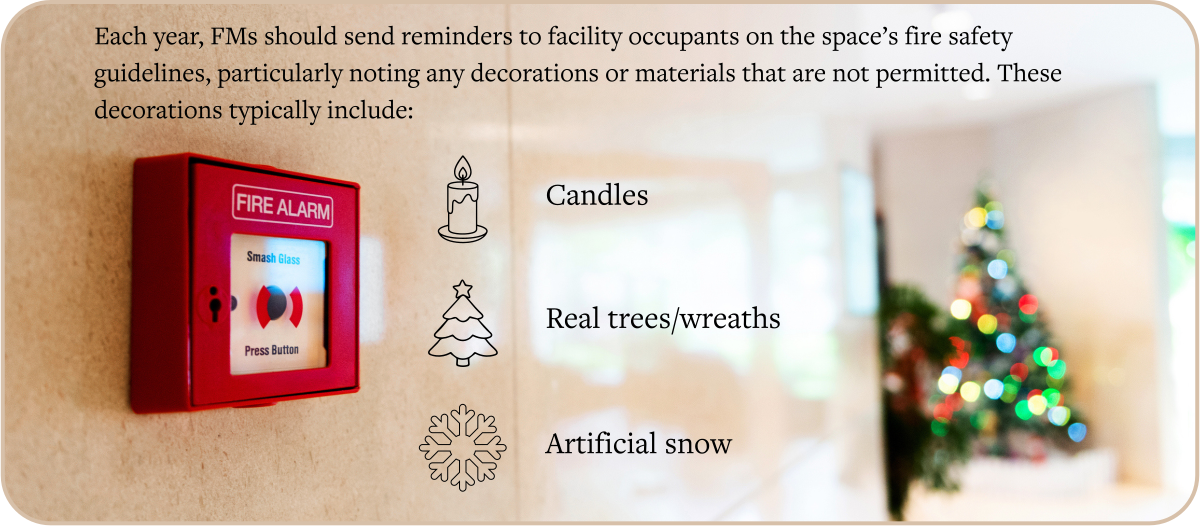 By communicating the facility’s fire safety standards with building occupants, FMs can have an open communication policy that ensures occupants still enjoy the festivities of the season while remaining within compliance.
Being aware of the seasonal events taking place within a facility is also necessary to ensure fire safety standards. Company parties or shopping events in retail stores mean the facility will experience an uptick in building occupants that are unfamiliar with building regulations, detectors or exits. No matter the time of year or building location, all building occupants should be properly informed of safe evacuation routes. For regular building occupants, this means consistent drills and training on the sounds of alarms and directions of exits. According to Fire Rescue 1 Magazine, fire drills are one of the most effective tools in preventing loss of life during fires and emergency scenarios.
NFPA 101, The Life Safety Code, provides guidelines for exit access and protection to ensure exit pathways are safe in the event of an evacuation. Per this code, commercial FMs must work with staff managers to ensure new and existing employees are properly trained on the building’s safe exit routes and that regular drills are performed.
New facility visitors cannot be expected to partake in fire drills prior to entering a facility, so displaying informative signage on exits and safe exit routes is crucial to ensuring their safety. Updating facilities to include advanced fire detection solutions is beneficial for temporary building occupants unfamiliar with a building’s safety routes. One facility in New York that updated its fire and life safety systems saw an improved 5-minute response time from first responders when an emergency occurred.
Newly developed notification systems can help guide occupants in the event of an emergency. This technology can alert occupants to the nature of an event through voice guidance and offer directions to evacuation routes. These solutions can typically be customized, making them an ideal solution for commercial facilities of varying needs and scale.
While not every jurisdiction has guidelines to ensure detector technology is working or up to date, NFPA has codes designed to guide building managers in tracking that their technology is up to date. For FMs outside of the United States, NFPA’s safety codes are internationally recognized and provide a solid standard for building managers who may not need to comply by a national or local set of standards but still want to ensure their facility is safe for all occupants.
In addition to following safety standards and regulations within facilities, all FMs must check with local authorities to ensure the codes they are implementing comply and are practical for both the space and first responders. FMs should check with local Authority Having Jurisdiction (AHJ) and insurance underwriters for any changes to any fire safety requirements.
Fire detectors: Helping reduce holiday fire risks
Because an FM cannot always be aware of or control the decorations or events happening within a facility, ensuring the space’s fire detection solutions are up to date is critical for building and occupant safety. Fire alarms and signaling systems are required in facilities under NFPA 72, the National Fire Alarm and Signaling Code. The code outlines strict regulations on appropriate fire alarm applications and provides comprehensive guidelines on ideal locations and installation steps for building managers. As part of the code, regular inspection and maintenance is required to ensure alarms and detectors perform in emergency scenarios.
NFPA 72 requires FMs of unmonitored systems or single unit detectors to conduct weekly visual inspections to observe any potential damage or obstructions. Fire alarm systems require annual testing with more frequent testing intervals for specific components. For single unit detectors, FMs should visually inspect and individually test each unit to ensure it is working properly. For FMs monitoring multiple units, fire detection control units offer a comprehensive control panel that can monitor each detector and self-test.
Fire detection standards are required in facilities; however, state and local guidelines can vary depending on a building’s size and location. To ensure fire detection standards are met, FMs must connect with federal or local authorities to ensure they comply.
In addition to understanding the hazards present in a building and the appropriate safety codes and plans, ensuring that detector technology is up-to-date and working is necessary for maintaining occupant safety. Malfunctioning and outdated technology can pose a significant risk to fire safety for facilities. Obsolete technology or detectors that are not properly maintained, for example, can result in missed or inaccurate alarms. As previously mentioned, fire detection control units can offer an overview of all active detectors to ensure they’re working properly.
The technology advancing today’s safety plans
Fire detection control units are now commonplace in commercial facilities and today’s fire detection technology is making it easier for FMs to ensure first responders are quickly alerted should a fire occur. With the advent of remote connectivity, a building manager can monitor all active detectors, flag any faulty issues, and pinpoint the source of an alarm without needing to step foot in the facility. Additionally, modern fire command centers allow facility employees to monitor and manage entire systems from a computer workstation, allowing for better monitoring practices and improved emergency response. These systems typically offer self-testing capabilities, meaning FMs will not need to run weekly or monthly tests that disrupt building operations.
This also means FMs can be alerted should a detector become blocked or misplaced due to a new holiday decoration. With the number of events that can take place in a facility, having a detector that pinpoints the source of an alarm can improve the safety of building occupants as first responders work to evacuate a facility and address an incident.
As technology continues to develop, FMs should look forward to the integration of security systems, detection solutions and suppression technologies. Together, these three offerings will create more comprehensive, immediate and accurate emergency response plans that inform FMs, assist first responders and protect building occupants.
To protect facility occupants and their facilities, FMs must offer education on emergency response plans, regularly communicate with their building occupants on any holiday events or seemingly unsafe decorations, conduct regular maintenance checks on detectors, and ensure they are in code compliance that follows local regulations. These factors, in collaboration with innovative fire detection solutions, will support first responders in the event of an emergency and will aid in the protection of both building occupants and the facility itself.

Martin Schulte-Frankenfeld is a global executive with broad general management experience ranging from product management to mergers and acquisitions and business operations. He serves as the Senior Director of Global Product Management, Fire Detection at Johnson Controls.
Read more on Facility Operations , Risk Management and Communication or related topics Risk Management , Occupant Safety and Emergency preparedness, response and recovery
Explore All FMJ Topics