Membership
 Network
 Regional Sites & Affiliates


 Events
 Participate
 Resources

 Training
 Credentials
 Government


 Content Channels
 Tools


 Business Overview




Semiconductor Manufacturing
A guide to choosing the right facility partner
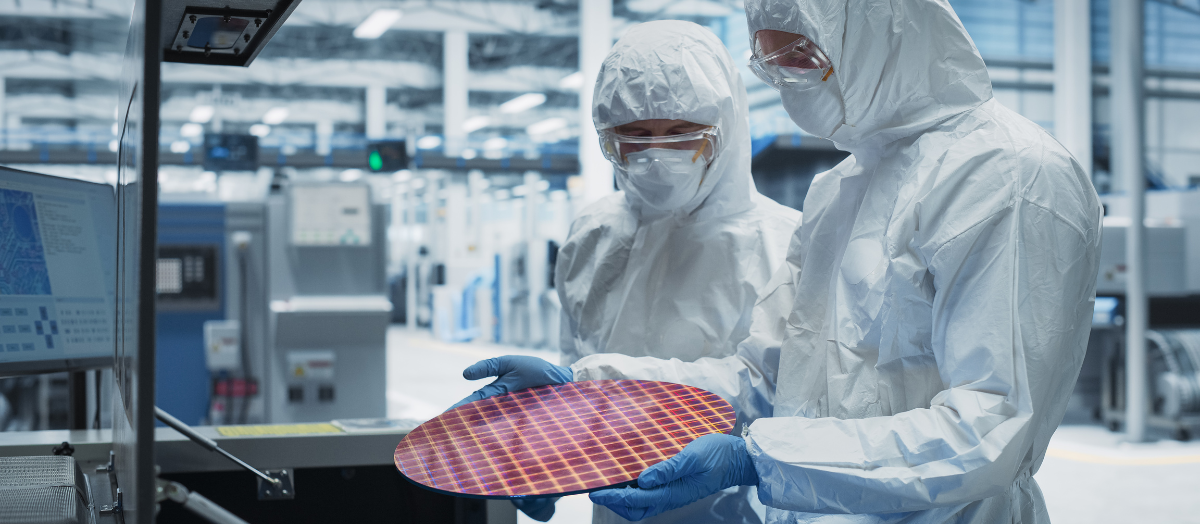
The semiconductor industry is in the midst of an unprecedented capital buildout — with 18 new fabs launching in 2025 and equipment spending projected to reach US$133B by the end of 2026. Execution risk is now evident, with delays driven by workforce shortages, supply chain constraints, regulatory complexity and the difficulty of replicating mature ecosystems.
An underappreciated driver of these challenges is partner selection. Facility management providers lacking semiconductor-specific expertise, depth or scale introduce avoidable risk. This makes partner evaluation as critical as equipment and process decisions.
Semiconductor facilities differ fundamentally from traditional FM. In a fab, facilities are inseparable from manufacturing. Cleanrooms, ultra-pure water (UPW), process cooling, abatement and subfab systems directly impact yield. When they fail, the result is not a support issue; it is a production failure.
In this environment, end-to-end capability and scale determine outcomes. During ramp, they compress time to first wafer, a thin slice of high-purity silicon crystals. During production, they protect yield and enable operational consistency. Integrated partners outperform fragmented models through better visibility, faster issue detection, coordinated maintenance and continuous compliance.

Traditional vendor scorecards miss this reality. The critical evaluation questions, and what optimum answers look like, are different:
-
Does the provider understand that FM influences manufacturing outcomes?
-
Do they have real hazardous materials and regulatory expertise?
Semiconductor environments require deep operational experience with hazardous gases and chemicals. A credible provider demonstrates structured gas and chemical management, tiered technician development and full compliance with process safety management regulations (including hazard analysis, change management and incident investigation). This capability cannot be improvised. -
Are they vendor-neutral with respect to OEMs?
FM providers influence tool performance through control of utilities and environmental conditions. Any commercial alignment with specific OEMs creates potential conflicts. In multivendor fabs, neutrality is essential to maintain objectivity and avoid biased decision-making. -
Can they develop and qualify a semiconductor-ready workforce?
The challenge is not hiring; it is qualification. Providers must demonstrate structured, hands-on training pipelines across cleanroom operations, subfab systems and hazardous environments. The key question is whether they can produce fully qualified personnel on the required timeline, not simply staff positions. -
What portion of their workforce is truly deployable?
Total headcount is less important than the number of technicians already qualified or realistically upskillable for semiconductor environments. Strong providers can quantify deployable capacity, training timelines and surge capability during simultaneous ramp demands. -
Can they prove they have scaled successfully before?
Credible providers offer specific, verifiable examples of scaling qualified teams during fab ramps. They can detail how many technicians were deployed, their certification levels, how quality was maintained during growth, and the resulting impact on uptime and process performance. -
How do they manage cross-domain system failures?
Failures in fabs propagate across systems, power impacts HVAC, which affects cleanroom conditions and yield; subfab failures take tools offline. Strong providers operate with integrated teams and processes, ensuring coordinated response rather than siloed gaps across disciplines.
A qualified partner treats utilities and environmental systems as extensions of the manufacturing process. They can clearly explain how deviations, such as UPW quality issues, cleanroom airflow faults or subfab failures, propagate directly to wafer yield and tool performance. Treating FM and production as separate domains signals a critical gap.
Conflict-of-interest risk also extends to OEM relationships. Equipment manufacturers increasingly rely on partners to extend capacity during simultaneous fab ramps. The critical distinction is whether those partners augment or compete with OEM service operations.
Augmentation-focused partners fill gaps, supporting installations, extending coverage and enabling scale. Competitive models that target OEM service revenue risk undermining long-term collaboration. The key evaluation is how partners define and enforce this boundary.
Both chipmakers and OEMs face the same structural issue: the North American ecosystem lacks enough partners capable of operating across the full fab life cycle with sufficient scale, expertise and neutrality. Unlike Asia’s mature ecosystems, built over decades through coordinated development, the U.S. is attempting to build fabs and supporting infrastructure simultaneously. This increases reliance on a small number of highly capable partners.
What accelerates progress is not more vendors, but fewer, more capable ones — partners with a proven, technical, semiconductor-specific workforce. Partners with life cycle expertise, scalable workforce models and aligned incentives. Partners who have mature and active semiconductor training programs. These partners measure success by fab outcomes: ramp speed, uptime and yield.
Such partners remain rare. Identifying and rigorously vetting them is one of the highest-leverage decisions facing semiconductor manufacturers and OEMs as production capacity scales.
Ed Marcil is president of ABM’s manufacturing and distribution business, where he leads teams that deliver service excellence in material handling, production staffing, janitorial, transportation, maintenance, sustainability, energy and other services across the U.S. With specialized expertise tailored to regulatory and manufacturing process needs across various industry segments, Marcil is developing ABM as a leading national provider of manufacturing services and solutions.
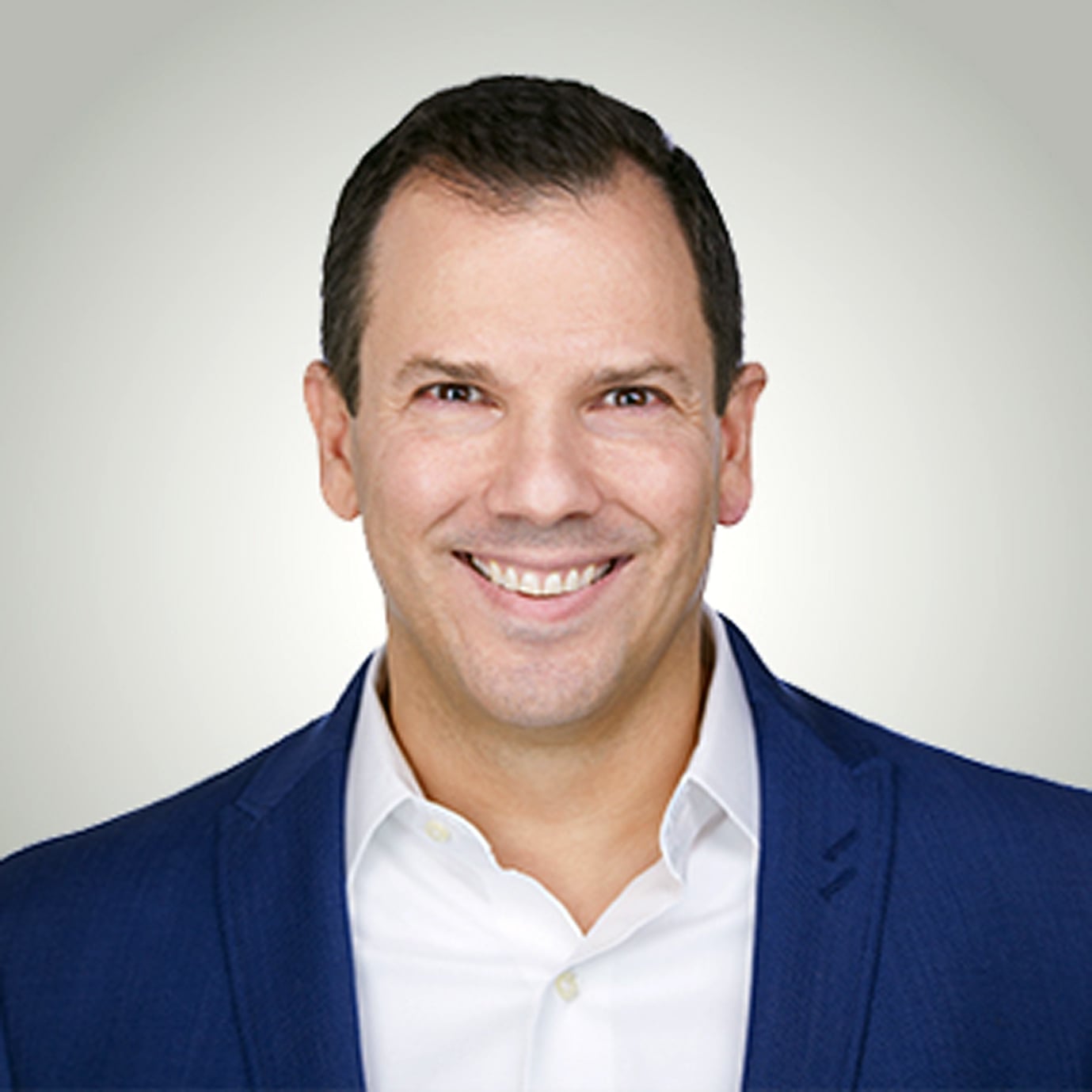
Ed Marcil is President of ABM’s manufacturing and distribution business, where he leads teams that deliver service excellence in material handling, production staffing, janitorial, transportation, maintenance, sustainability, energy and other services across the United States. With specialized expertise tailored to regulatory and manufacturing process needs across various industry segments, Marcil is developing ABM as a leading national provider of manufacturing services and solutions.
Read more on Facility Operations , Leadership & Strategy and Facility Technology & Data Management or related topics Strategy
Explore All FMJ Topics