Membership
 Network
 Regional Sites & Affiliates


 Events
 Participate
 Resources

 Training
 Credentials
 Government


 Content Channels
 Tools
Tools


 Business Overview





Smarter Solutions
Achieving peak energy efficiency through DERs
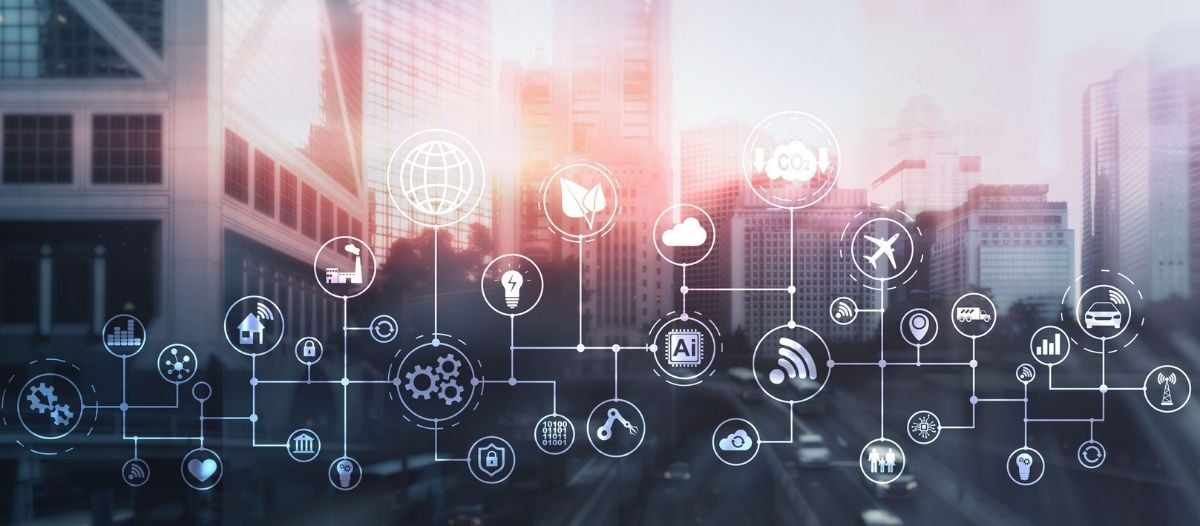
Energy demand is surging at an unprecedented pace, driven by factors like population growth, increasing intensity of extreme weather and the use of artificial intelligence (AI), rapidly scaling at an unprecedented pace.
At the same time, today’s complex energy needs are placing significant capacity, reliability and financial strains on much of our grid infrastructure. Power outages in the U.S. result in economic losses ranging from US$28 billion to $169 billion every year. The stakes are high, as even a brief disruption in power can have a ripple effect across businesses, communities and essential services.
 As technology continues to evolve and transform the energy landscape around the world, these challenges will likely intensify in the coming years. Mounting pressure on grid reliability exposes the limitations of aging grid infrastructure and the urgent need for a fundamental shift in energy management.
Commercial buildings, which account for over 30 percent of the world’s energy consumption, are uniquely positioned to pave the way forward. From office buildings and retail centers to hospitals and educational institutions, reducing energy usage in this sector can deliver widespread benefits across communities and industries.
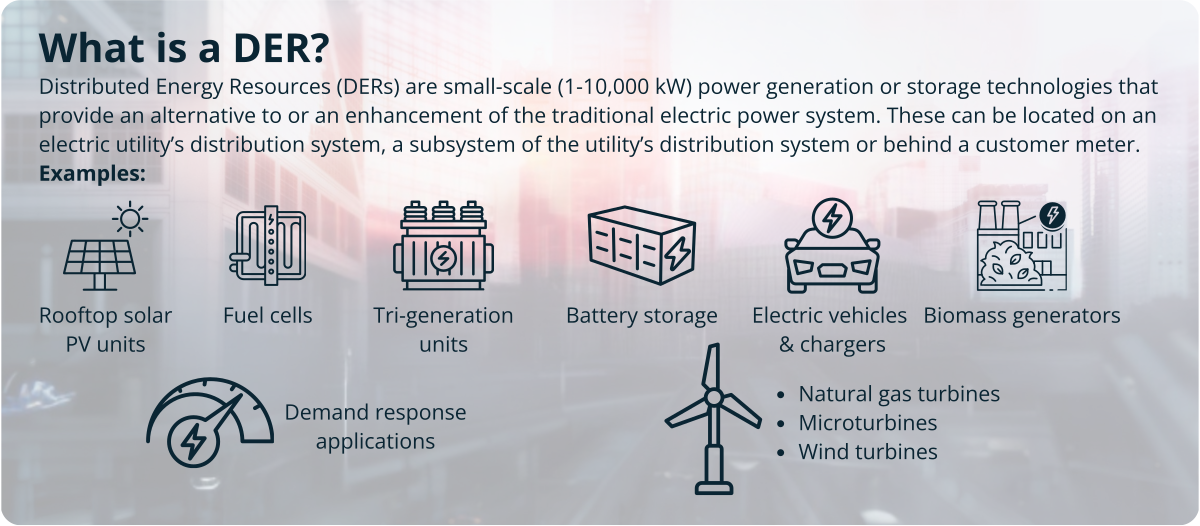
This is where distributed energy resources (DERs), or small-scale technologies that generate, store or manage electricity locally, come into the picture. Assets such as rooftop solar panels, localized battery energy storage systems (BESS) and intelligent IoT-enabled controls can play a pivotal role in this transformation.
DERs are flexible energy assets that empower communities and businesses with greater control over their power supply and demand. When strategically integrated, these technologies create a more resilient and adaptive energy infrastructure, capable of responding to outages and other dangerous disruptions head-on.
By harnessing the power of DERs, commercial buildings can pivot from consuming significant amounts of energy, to becoming sustainable and flexibly resilient buildings that empower organizations to reach climate goals. As a result, these capabilities create a foundation that allows clean energy to be sold back to the grid, offload peak utility demand and provide energy resiliency for local structures in a synergistic, sustainable cycle.
Energy consumption in commercial buildings
Residential and commercial buildings together consume 75 percent of the electricity and 40 percent of the total energy used in the United States alone. This immense energy footprint illustrates the significant opportunity for buildings to drive meaningful reductions in emissions worldwide. Much of this usage is driven by the growing everyday reliance for essential functions in commercial buildings, from lighting to climate control to powering appliances and more.
While these tools are critical in maintaining occupant productivity and comfort, they also increase energy demand. This necessity for HVAC, lighting and power-demanding equipment will continue to drive energy consumption, placing greater stress on grids that are already struggling to keep up.
Compounding these challenges are regulatory pressures and sustainability commitments. Building leaders are increasingly tasked with finding innovative ways to reduce energy usage, meet compliance requirements and achieve ambitious climate goals.
Industry standards such as ASHRAE Guideline 36 set benchmarks for optimal HVAC system performance and encourage the adoption of energy-efficient technologies and practices. DERs can complement these efforts by supplying reliable power and enabling flexible energy management, making it easier to meet and exceed performance and sustainability targets. When operating alongside ASHRAE Guideline 55, which sets the standards for thermal conditions acceptable for a majority of occupants in any given space, DERs can drive both reductions in energy consumption and occupant comfort simultaneously.
As a result, organizations are increasingly investing in advanced controls, real-time monitoring and integrated energy management solutions to meet compliance requirements, achieve occupant satisfaction and surpass sustainability goals.
With energy demand continuing to grow, DERs offer a path forward, helping commercial facilities reduce their reliance on the grid, reach peak energy use, reduce emissions and build sustainability into their operations.
The transformative power of DERs
The true power of DERs lies not only in the capabilities of their individual technologies, but in how they work together to create smarter, more adaptive buildings.
Tools like rooftop solar panels, for instance, generate renewable energy directly at the source, reducing reliance on fossil fuels and lowering carbon emissions. BESS store excess energy for use during peak demand periods or grid outages, providing a critical buffer that enhances energy resilience.
Advanced IoT devices further enhance building efficiency by enabling real-time monitoring and automated control of systems like HVAC and lighting, leveraging data such as occupancy levels, temperature and energy consumption. As these systems collect and analyze data, facility managers can gain deeper insights into the energy performance of the building, enabling smarter decision-making and continuous improvement in real time. Additionally, systems can benefit from AI-powered IT/OT HVAC operations, reducing energy consumption with a dynamic approach to energy efficiency backed by data. These capabilities can also evolve with the building to adapt to changing usage patterns, environmental conditions and any other operational needs, creating a dynamic ecosystem wherein energy supply and demand are balanced intelligently, maximizing both efficiency and resilience.
Over time, these solutions not only maximize efficiency and comfort for occupants but also extend the lifespan of critical systems and support long-term sustainability goals.
By integrating DERs with smart buildings technologies, leaders can optimize operations and future-proof their infrastructure. Buildings equipped with DERs no longer solely rely on the grid for power; they become flexible assets capable of selling clean energy back to the grid, helping to stabilize during times of great stress.
With the right integration, commercial buildings become not just energy-efficient, but smarter, more sustainable spaces. DERs enable commercial buildings to reduce energy waste, lower utility costs and improve both building and grid performance to ensure more sustainable operations moving forward.
Ultimately, DERs are transforming commercial buildings into active players in the energy ecosystem, capable of adapting to changing market conditions and driving progress toward a cleaner, more resilient future.
 Demonstrating the potential of DERs in real-world commercial buildings
The transformation of commercial buildings into smarter, more sustainable spaces that work in tandem with the grid is no longer a distant vision – it is already taking shape in forward-thinking developments around the world.
For example, Schneider Electric’s flagship building IntenCity in Grenoble, France, showcases how the integration of DERs with smart building technologies can significantly reduce carbon emissions and enhance energy resilience.
Designed to consolidate 5,000 employees from 13 different sites into four major buildings, IntenCity represents a new standard for urban development. Over its projected 60-year life cycle, IntenCity is expected to produce a carbon footprint five times lower than that of a typical European building, with less than 5 percent of its emissions attributed to operational energy use.
These outcomes are driven by a combination of rooftop solar, battery energy storage and digital systems that manage energy generation and consumption in real time. Using an advanced energy model with more than 60,000 variables, including weather conditions, building orientation and thermal dynamics, the system also continuously optimizes performance against decarbonization targets.
The benefits of this project extend far beyond the building itself, as the combined impact of new facilities and low-carbon urban projects in the Grenoble metropolitan area is helping employees reduce their carbon footprint while also providing better services. IntenCity has helped each employee reduce their annual carbon footprint by 10 percent per year. This approach also creates new opportunities for improved mobility, more efficient infrastructure, shared expertise, consistent sustainability practices and better management of occupant health and well-being at work.
IntenCity offers a blueprint for how leaders can design, operate and connect commercial spaces to the grid. The results demonstrate that meaningful decarbonization is achievable through strategic investments in DERs and smart technologies, when paired with a clear commitment to achieve sustainability goals.
As energy demands grow and climate factors intensify, DERs will be central to creating energy-efficient commercial buildings capable of supporting both business continuity and broader sustainability objectives. By embracing these innovations, building leaders can future-proof their operations while making a significant impact on reducing global carbon emissions.
Looking ahead
The energy landscape is becoming increasingly complex and interconnected. To thrive in this environment, commercial buildings must evolve beyond traditional structures to become resilient, adaptive spaces. DERs offer a powerful solution, enabling buildings to generate, store and manage their own energy amid uncertainty.
This shift not only supports significant reductions in emissions but also strengthens grid reliability and flexibility in the face of growing energy demand and other critical factors. The adoption of DERs can enhance resilience, helping organizations maintain operations during grid disruptions or extreme weather events. Prioritizing these investments will be key to securing a more sustainable, resilient energy future and navigating challenges such as evolving regulations, rising energy costs and the increasing expectations of occupants.
Additionally, DERs present an opportunity to equip communities with access to cleaner, more reliable power, enabling them to better withstand emergencies and recover quickly from disruptions. By generating and storing energy locally, building leaders can ensure essential services during outages and reduce reliance on other power sources.
Ultimately, those who embrace this evolution will play a pivotal role in shaping the next generation of sustainable urban environments. By paving the path for widespread DER adoption, commercial buildings can become active contributors to a cleaner, more resilient energy future and set new standards for efficiency, sustainability and operational excellence.

Tyler Haak is the vice president of sustainability and service at Schneider Electric.
Read more on Facility Operations and Sustainability or related topics Energy , Climate Change and Environmental, Social and Governance (ESG)
Explore All FMJ Topics