 Membership
 Network
 Regional Sites & Affiliates


 Events
 Participate
 Resources

 Training
 Credentials
 Government


 Content Channels
 Tools
Tools


 Business Overview



The Global Self-cleaning Restroom Trend
Why technology still needs human expertise
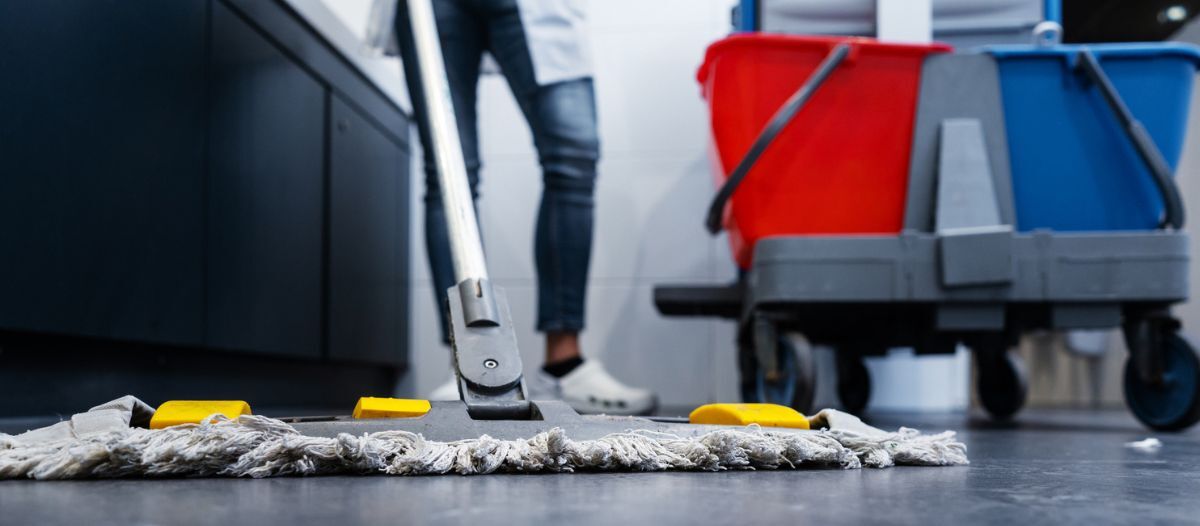
Globally, cities, airports, transportation hubs, commercial buildings and public venues are investing in technologies designed to make restrooms cleaner, more efficient and easier to maintain. From automated public toilets in Paris to the Tokyo Toilet Project designed to revamp public restrooms with cutting-edge design, the rise of self-cleaning restrooms reflects a global push to deploy the latest hygiene innovations in public spaces.
The promise is compelling. Self-cleaning restrooms can automate certain routine processes. Depending on the system, they may flush, wash down interior surfaces, disinfect or dry key fixtures and control consumables. On the surface, these features may seem like an ideal way to reduce certain day-to-day maintenance burdens and help keep public restrooms more usable between service visits.
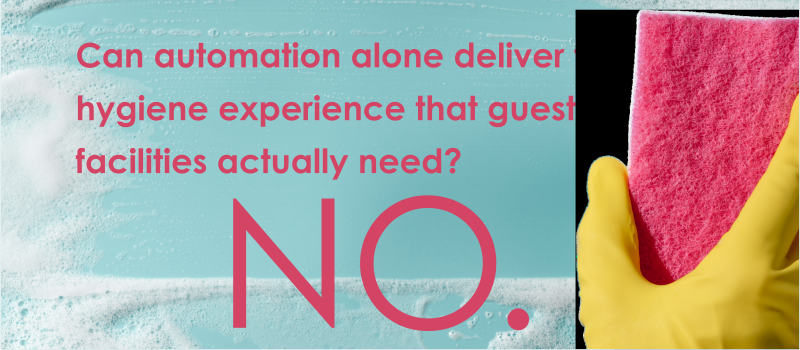 The short answer is no — not because technology is not valuable, but because real-world hygiene is unpredictable. Usage may unexpectedly spike, supplies can run out, fixtures might break or guests could experience barriers that make the space feel unsafe or unusable. While a self-cleaning restroom can complete hygiene tasks on a programmed schedule, it cannot always determine what needs attention next. Consistent, high-quality restroom hygiene is driven by experienced cleaning professionals who know the ins and outs of the facility and are empowered in their roles by smart hygiene technology.
The facilities that will lead in the next era of public restroom hygiene are not the ones that prioritize technology over people. They are the ones that bring both together.
 Self-cleaning restroom technology is designed to handle certain cleaning and maintenance tasks. That may include a washdown after each use, cleaning cycles at scheduled intervals, reduced-touch fixtures, managed supply dispensing and durable materials that make cleanup easier. Those functions can help raise the baseline, especially in public environments where restroom access is limited or maintenance resources are stretched.
However, public restrooms often experience sudden traffic surges, and incidents like misuse, vandalism, spills, plumbing problems, product runouts and clogged toilets. A washdown cycle may clean certain surfaces, but it cannot determine whether the restroom feels safe and comfortable for the next visitor. A system may be designed to conserve soap or toilet paper, but someone must ensure supplies are available, functioning and appropriate for the people using the space.
That is why self-cleaning should not be mistaken for self-managing. Automation can handle specific tasks. It cannot replace human judgment.
 The most effective restroom strategies are built on a simple truth: technology and human expertise solve different parts of the hygiene challenge.
Technology provides visibility. Data-driven cleaning, for example, can show facility teams which restrooms are being used most heavily, which dispensers are running low, when traffic patterns change and where service is needed most urgently. It can reduce unnecessary dispenser checks and help teams shift from fixed cleaning schedules to a more responsive, need-based approach.
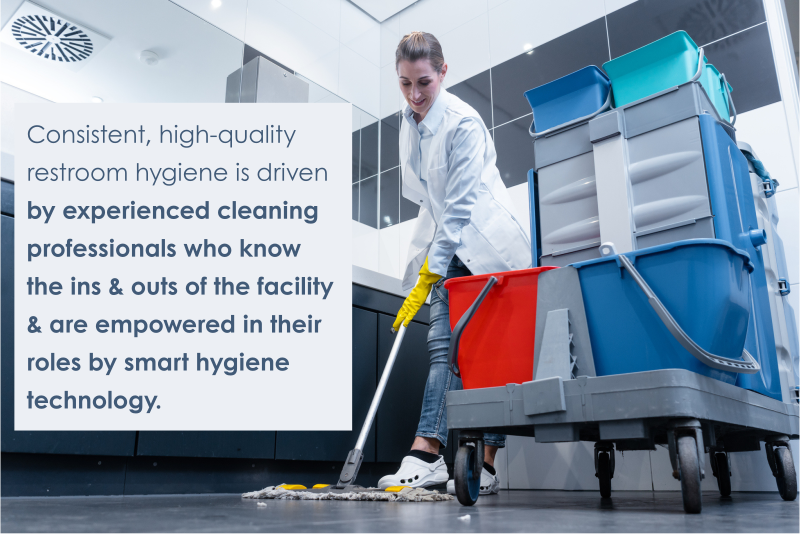
Once that baseline is established, cleaning professionals provide valuable facility-specific knowledge and interpretation. They understand the conditions that cannot always be captured in a dashboard. They know when a restroom needs more than a routine check. They can identify when a pattern suggests a recurring problem, when an issue requires escalation, when hygiene quality may affect user trust, or when a restroom that appears technically functional is still failing the people who rely on it.
Neither side is enough on its own. Experienced cleaning teams working without the latest technologies, such as data-driven cleaning, may spend valuable time checking dispensers in low-traffic restrooms while another busy area of the facility falls below customer expectations. Self-cleaning restrooms working without trained professionals may automate tasks without anyone applying the judgment needed to determine whether the hygiene in those spaces accurately meets guests’ needs. Quality hygiene happens when insight and expertise work together.
 The stakes for delivering quality hygiene are higher than many organizations realize. A recent Tork survey of 11,500 people across 11 countries found that 74 percent of people expect moderate or high levels of hygiene in public restrooms, yet only 20 percent of public restrooms meet those expectations. When restrooms fall short, people respond. The same research found that 52 percent of people take action after a poor restroom experience — including spending less time at a venue, limiting how much they eat or drink to avoid using the restroom, telling friends to avoid the location or leaving a negative online review.
For facility leaders, this makes restroom hygiene a business issue, not just an operational one. In commercial buildings, workplaces, transportation hubs, stadiums, retail environments and public venues, the restroom experience can influence how long people stay, whether they return and how they perceive the organization behind the space.
The impact on workspaces is also significant. A recent study shows that one in four people spent less time at their workplace due to poor restrooms, while 15 percent worked from home more than they otherwise would. These findings underscore why restrooms deserve strategic attention. A poor restroom experience can damage trust quickly. A clean, well-stocked and cared-for restroom signals competence, safety and respect.
 Yet meeting these expectations presents a fundamental challenge. Facility leaders are being asked to deliver higher hygiene standards in more complex, high-traffic environments — often with the same or fewer resources. The pressure falls on cleaning professionals, who are frequently expected to manage busy, high-pressure spaces with limited visibility and recognition. Research shows that 80 percent of cleaning staff reported mental health issues as a result of their jobs, and 46 percent of those individuals said they feel stressed. In addition, 70 percent cited inadequate employer support, while 38 percent had left a cleaning job due to lack of recognition or burnout unrelated to pay.
Technology can help address these challenges when implemented thoughtfully. For example, data-driven cleaning tools can reduce unnecessary rounds and help staff avoid pushing heavy supply carts to restrooms that do not need service. High-capacity, easy-to-refill dispensers can reduce physical strain and make restocking more efficient. Real-time alerts can help teams prioritize work, respond faster and feel more confident that their efforts are focused where they matter most. it is not only about improving cleaners’ efficiency, but also helping them feel empowered and satisfied in their roles.
When cleaning professionals have better information, better tools and clearer priorities, they are better positioned to deliver consistent quality. They are also more likely to see their work recognized as skilled, essential and connected to the overall performance of the facility.
But delivering hygiene for all requires more than operational efficiency. Public restroom users have diverse, often invisible needs — and meeting those needs requires the observation and empathy that only trained cleaning professionals can provide.
 Even if a restroom looks clean, it may not meet the needs of every user. Public restroom guests may have needs related to mobility, chronic pain, incontinence, skin sensitivities, anxiety, neurodivergence, visual or hearing impairment, or discomfort in crowded or shared spaces. According to research, 54 percent of venue visitors across 11 countries contend with some form of physical or cognitive challenge that can affect their public restroom experience. Designing for these needs is not a niche consideration; it is truly about serving the majority of users.
A public restroom that is technically operational can still pose barriers to some users if loud air dryers overwhelm users with sensory sensitivities, dispensers are difficult to reach, soap aggravates skin sensitivities, supplies are missing, odors are strong, privacy is limited or the space feels untidy.
 Technology can support these goals. Touch-free fixtures can be easier for people with limited hand mobility. Connected dispensers can alert cleaners when a refill is needed, preventing runouts. Occupancy data can help teams manage peak traffic and service needs. However, human expertise is essential to observe how the public restroom functions in practice and identify barriers that data alone may not reveal. Inclusive hygiene requires both operational intelligence and empathy. Technology can help facility teams see more. Cleaning professionals help deliver on what needs to be done.
 The strongest path forward is an augmented hygiene model: one that combines smart technology with skilled cleaning professionals. In this model, technology supports routine efficiency: it monitors usage, tracks supply levels, reduces unnecessary checks, helps conserve resources and provides real-time alerts. Cleaning professionals manage variability: they interpret data, inspect conditions, restock supplies, troubleshoot equipment, respond to unexpected issues and make judgment calls that protect the user experience.
 Facility professionals considering new restroom technology should ask:
-
What specific problem are we trying to solve?
-
Which tasks can technology automate or simplify?
-
Which decisions still require human expertise?
-
How will cleaning staff receive and act on real-time data?
-
Will this technology reduce unnecessary work or add complexity?
-
How will we prevent product runouts, odor issues, misuse and breakdowns?
-
How will we measure restroom quality from the user’s perspective?
-
Does the restroom experience support people with a wide range of physical, cognitive and sensory needs?
-
How will this investment support cleaning staff well-being and recognition?
These questions help ensure technology becomes part of a larger, stronger hygiene strategy, not a standalone feature.
 The rise of self-cleaning restrooms is an important signal for facility managers. It shows that public restroom access, cleanliness and maintenance are receiving the attention and investment they deserve. However, quality hygiene cannot be delivered with technology alone. It also cannot be delivered only by cleaning staff when teams lack the visibility, tools and support needed to meet modern guest expectations at scale. The future depends on both.
Technology can raise the baseline. Data can guide smarter decisions. Connected systems can help cleaning teams work more efficiently. High-capacity dispensers and touch-free fixtures can improve reliability and ease of use. But in the end, cleaning professionals bring the judgment, adaptability and care that turn those tools into a better restroom experience for all.
Ultimately, the leading facilities of tomorrow will be those that measure restroom innovation not by whether a restroom can clean itself, but by whether every person who uses it can trust that it is clean, safe, comfortable and cared for.

Christine FitzPatrick is Regional Brand Activation Manager at Essity, a global leader in hygiene and health, where she leads brand activation and focuses on driving visibility and engagement for the Tork brand across North America.
References
Images via Getty Images.
Read more on Facility Operations and Occupancy & Human Factors or related topics Operations and Maintenance Planning , Operational Technology and Wellness and Well-being
Explore All FMJ Topics