 Membership
 Network
 Regional Sites & Affiliates


 Events
 Participate
 Resources

 Training
 Credentials
 Government


 Content Channels
 Tools
Tools


 Business Overview





Upgrade to First Class
Using FM to enhance airport experiences
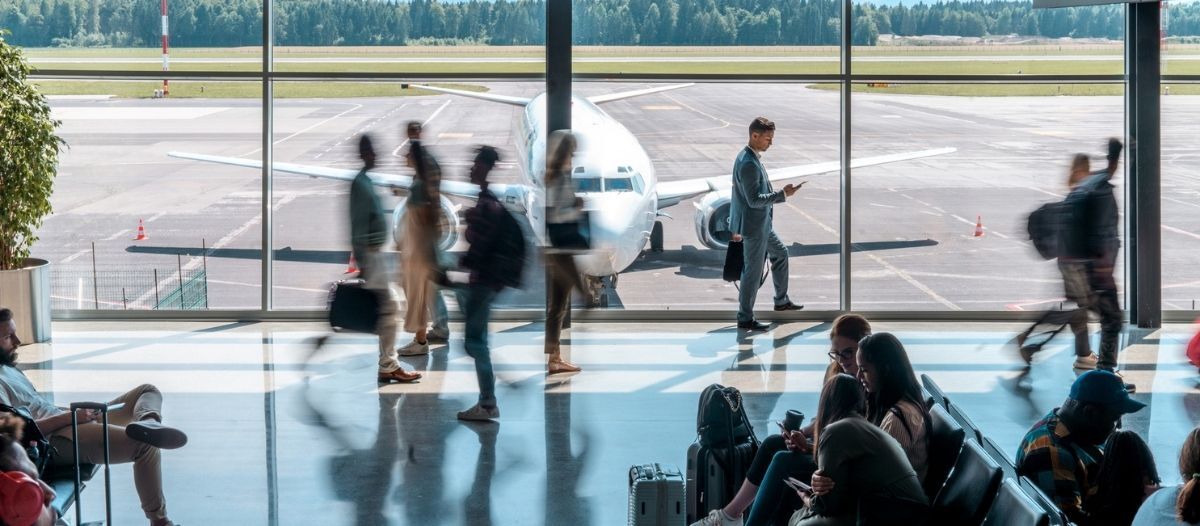
Airports are no longer static buildings used solely to transport passengers from the curbside to the aircraft. They have evolved into dynamic, interactive facilities where people can shop, dine and spend time, whether they are catching a flight or simply passing through. This transformation is known as “the passenger experience.”
Facility management plays a crucial role in keeping airports operational while remaining flexible and adaptable to the ever-changing needs of airport infrastructure.
Once merely grassy airfields used for takeoffs and landings, purpose-built airports with paved runways were constructed between the 1920s and 1930s, driven by various stakeholders, but particularly governments.
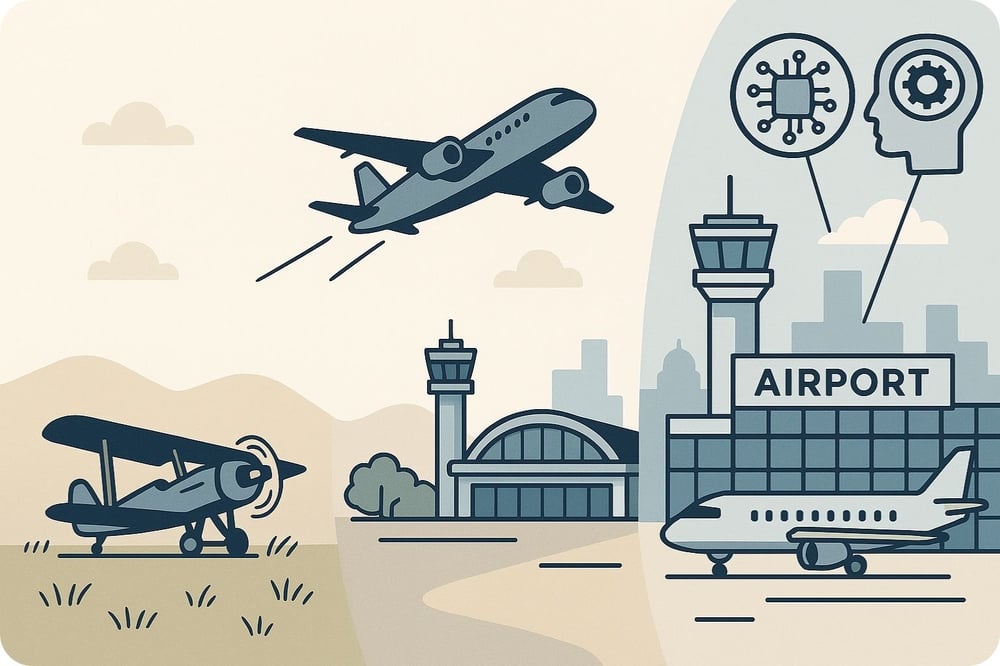 A few decades later, between the 1950s and 1970s, airports grew in both size and service offerings to meet growing travel demand. This led to major expansions and the development of new hubs. Airports also became more complex to accommodate larger aircraft, such as the Boeing 747, and expanded fleets.
Through 2019, technology and security became key focus areas in aviation. Automation of processes and systems was introduced through computer-controlled technologies. In the early 2000s, significant security enhancements were implemented, aiming to ensure a seamless passenger journey necessitating major infrastructure upgrades.
In 2019, the aviation industry was heavily impacted by the COVID-19 crisis, resulting in a sharp decline in travel demand and the introduction of new norms across the sector. At the same time, AI technology saw significant advancements, ushering in a new era for both aviation and its facilities.
With the development of airports and the need to meet their evolving requirements, airport FM has significantly progressed. It has expanded from basic mechanical, electrical and plumbing oversight and civil maintenance to the upkeep of sophisticated, specialized airport systems. However, this evolution brings its own set of challenges and implications.
Working in FM within a highly regulated industry means navigating between general building codes — such as NFPA and ASHRAE — and specific aviation standards, which are primarily governed by the International Civil Aviation Organization (ICAO). This requires airport FMs to stay informed and up to date with these standards to ensure full compliance across airport facilities.
Aviation plays a major role in achieving environmental, social and governance (ESG) goals. Therefore, airport FMs must be prepared to support their organizations in meeting both local and international ESG targets by facilitating the necessary requirements.
Airports are mission-critical facilities, requiring FMs to be flexible and adaptable to evolving business needs. A clear example is the COVID-19 crisis, which reshaped both the aviation industry and airport infrastructure. During the crisis, temporary facilities were rapidly constructed, and new procedures were swiftly implemented. Without the support of airport FMs, the impact on maintaining safe borders would have been far more severe.
Airports are highly vulnerable to climate change. Major hubs often close their airspace for hours due to floods or hurricanes, resulting in significant financial losses. FMs play a vital role in identifying and assessing these risks, and in supporting the airport with technical mitigation plans. Moreover, FM teams are on the ground after any weather-related disruptions, working to restore airport operations promptly and efficiently.
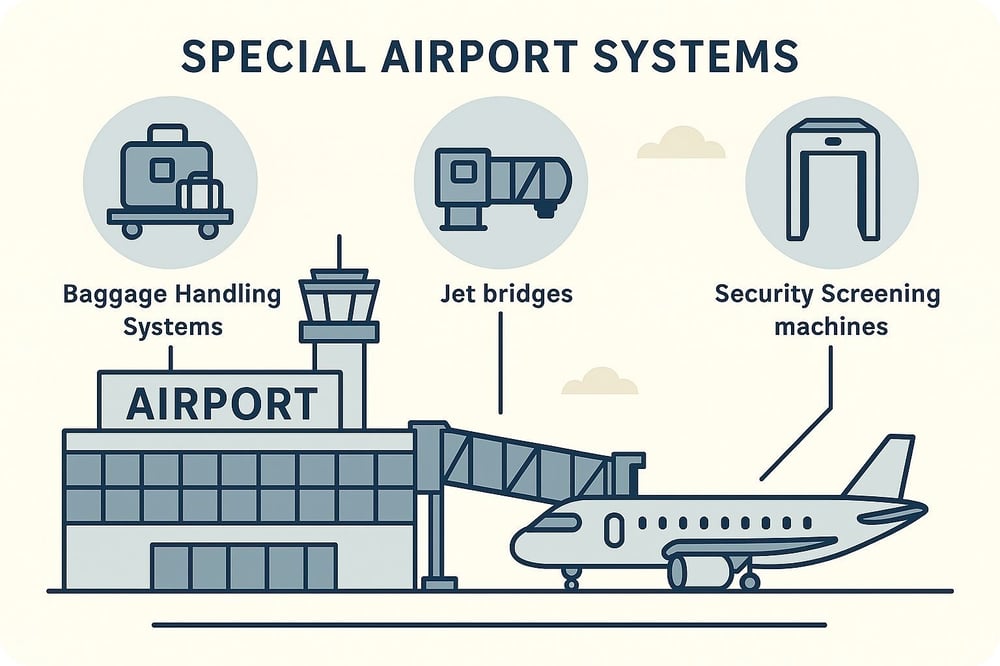
Airport O&M is extremely costly, as airports are designed with multiple redundancies to ensure business continuity and minimize disruptions to a vital national asset. Airports are equipped with high-voltage generators, UPS systems, backup water supplies and backup cooling/heating systems. Some systems are unique to airports and found nowhere else such as baggage handling systems, jet bridges and security screening equipment. Maintaining these systems and ensuring their backups are always operational costs millions of dollars annually.
Maintenance timeframes at airports are extremely short and agile, especially at major hubs that operate 24/7 without daily scheduled curfews, which is the case for most airports. Planned maintenance is typically scheduled during off-peak hours, when passenger traffic is low, both during the day and throughout the year.
Airport maintenance teams are the backbone for airport facilities; hence, they must be fully prepared with all necessary resources and plans, ready to act immediately once they receive the final go-ahead. Any delay in maintenance can impact airport operations and potentially lead to safety issues.
For example, airfield ground lighting teams may receive permission to access the runway to replace a light fitting. This task must be executed quickly, precisely and safely. Any deviation could result in catastrophic incidents.
Airport FM teams must possess strong technical expertise and the ability to perform efficiently under pressure. This is achieved through strategic partnerships with industry players when deciding between in-house or outsourcing decisions, as well as through collaboration between airports and academic institutions to train nationals for job-specific requirements. Additionally, cross-training opportunities among different FM functions help build multiskilled teams capable of responding to diverse operational needs.
Airports are built to last for decades. While major renovations and upgrades may occur, the core infrastructure typically remains in place for extended periods. Therefore, a well-crafted and carefully followed maintenance strategy is essential to preserve these assets and ensure that the right resources are always available.
This strategy becomes even more critical in countries with a single airport and a single runway, where there is zero tolerance for operational disruptions. As a result, FMs are deeply involved in airport development from day one, contributing their expertise throughout the project life cycle. While the development phase may span a few years, operations and maintenance continue for decades. Thus, decisions made during design, such as technology selection, material quality and maintenance accessibility, have long-term implications. This is where the role of airport FM becomes indispensable.
Airport FM requires extensive collaboration among stakeholders to achieve a unified goal: transporting passengers from point A to point B safely and on time.
While passengers are the end customers, they are served through multiple layers of internal and external stakeholders. As service providers, FMs must coordinate closely with airport leadership, finance teams to secure funding and manage budgets, and daily with airport operations teams to support their evolving needs.
Airport FMs also engage with national and international organizations to ensure business continuity and contribute to global goals such as achieving net-zero emissions through power and water optimization. To succeed, airport FMs must adopt an innovative mindset and collaborate with industry partners to support the FM vision and ultimately fulfill the airport’s strategic objectives.
Depending on the airport operating model, whether it is a government-owned airport or a public private partnership, FMs must ensure that maintenance teams deliver cost-effective solutions that maintain system reliability and business continuity. The operating model influences funding structures, service expectations and long-term planning, making FM’s role even more critical in aligning technical performance with strategic goals.
 The vision for airport FM
-
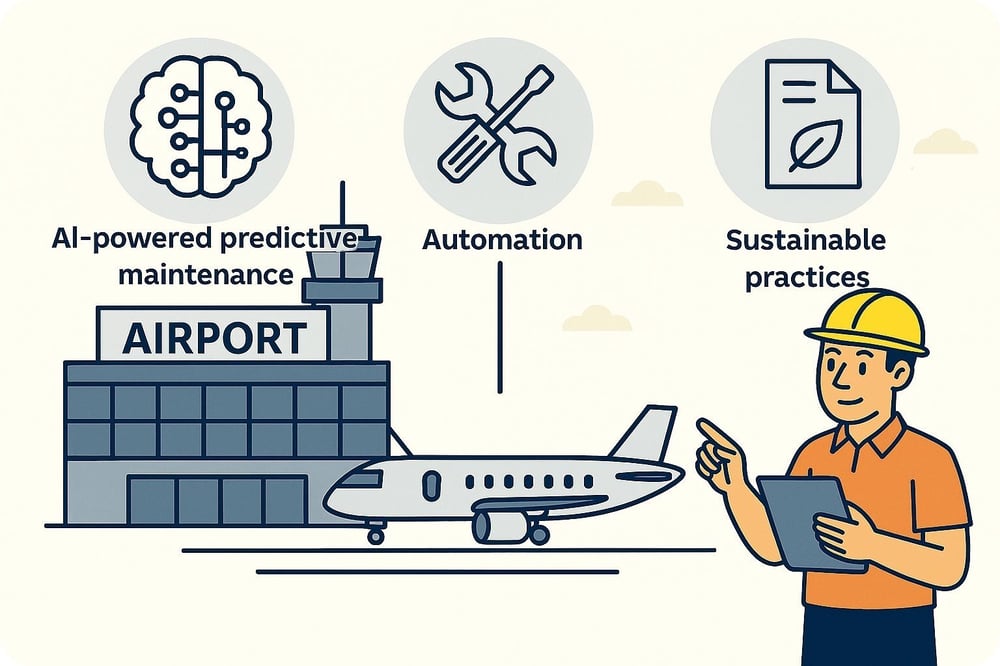
Implementing AI & predictive maintenance
Artificial intelligence (AI) has reached unprecedented levels of advancement, opening the door to a new horizon of possibilities. This technology is transforming many manual processes into automated, data-driven decision-making systems, and airport FM is no exception.
Given the tight maintenance windows and the increasing complexity of airport technologies aimed at enhancing passenger experience, AI offers a powerful solution. It enables airports to make more cost-effective decisions by proactively conducting maintenance, ensuring zero downtime for critical systems such as power, water and cooling. Predictive maintenance powered by AI helps identify potential failures before they occur, allowing FM teams to act swiftly and efficiently.
-
Enhanced maintenance tools
With technology becoming more accessible, airport FM teams are increasingly adopting wearable devices and augmented reality (AR) to support various maintenance activities. These tools enable more precise troubleshooting and training, while AI integration through wearables enhances real-time decision-making. This significantly accelerates the maintenance process and reduces asset downtime.
Computer-aided facilities management software is becoming more integrated with airport systems, providing maintenance teams with clearer insights into fault types and generating cleaner, richer data for future analysis. This integration supports smarter planning, better resource allocation and continuous improvement in maintenance operations.
-
Demand for robotics & autonomy
As the future moves toward robotics and automation, the demand for related skills is rapidly increasing. This shift calls for strong collaboration between academia and airports to prepare the next generation with the expertise needed to maintain and operate these advanced technologies.
While robots will not replace human jobs, they will create new opportunities for skill development and drive greater efficiency in airport operations. Embracing robotics and autonomy will enable FM teams to focus on higher-value tasks, while routine processes become more streamlined and intelligent.
-
Sustainable FM
The global target to achieve net-zero emissions goals by 2050 places airport FM at the forefront of sustainability efforts. Airport FMs play a critical role in driving this vision forward through continuous collaboration with stakeholders to reduce carbon emissions.
This is achieved through a variety of tools and techniques, including recycling initiatives, upgrading airport infrastructure with greener technologies, and pursuing ongoing improvements in energy and cooling performance. By integrating sustainability into every aspect of FM operations, airports can significantly contribute to environmental goals while maintaining operational excellence.

Ehab Ashraf Ali, PMP, is a senior operating and maintenance engineer with over a decade of experience in project and facilities management at Bahrain International Airport. Currently leading a team of FM professionals, he plays a pivotal role in ensuring operational excellence, system reliability and continuous improvement across critical airport systems. Ali has successfully contributed to the multi-million-dollar Bahrain Airport Modernization Program, collaborated with international stakeholders and driven strategic initiatives to align facilities management with corporate goals.
Read more on Facility Operations and Quality or related topics Operations and Maintenance Planning and Occupant Services
Explore All FMJ Topics