
 Membership
 Network
 Regional Sites & Affiliates


 Events
 Participate
 Resources

 Training
 Credentials
 Government


 Content Channels
 Tools
Tools


 Business Overview




Using Automation
An opportunity to rebuild a better workplace
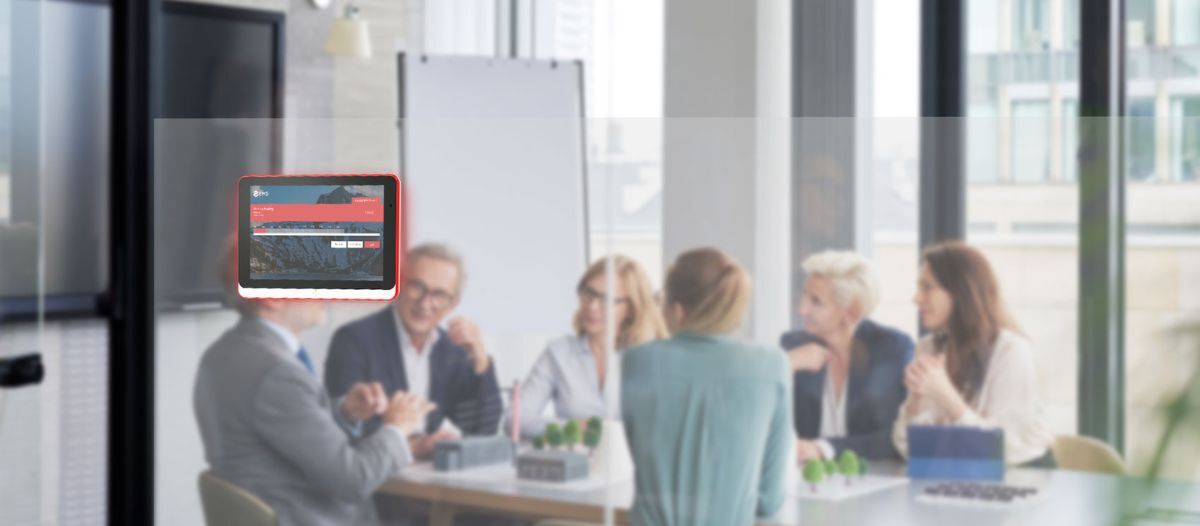
As the world emerges from the COVID-19 pandemic, one thing is clear: if companies wish to thrive in today's modern, hybrid work environment, they must be able to adapt and respond to ever-changing circumstances. This calls for an intuitive, scalable, technological ecosystem that allows users to effectively interact with each other and their environment.
In other words, it calls for workplace automation. Effective workplace automation does not simply modernize an organization; it can also facilitate key initiatives, helping organizations support sustainable operations, create adaptive workplace strategies, and improve their cleaning and safety protocols.
Back to basics: Understanding what workplace automation is
Modern, hybrid workplaces are rapidly embracing workplace automation to ensure effective, flexible working environments. But what does this mean? Automation is enabled through both human-aware and passive Internet of Things (IoT). People counting and tracking, human-machine interactions through displays like card readers, cameras and microphones, a centralized booking and entry system — it is all workplace automation, and it can help fast-paced work environments operate flexibly while centrally monitoring and managing spaces according to real-time needs.
Effective workplace automation can also facilitate cleaning and safety, support sustainability efforts and shape the way modern businesses work.
…. And what it is not
Despite its benefits, workplace automation is often felt as a threat to many; a monster here to steal jobs and leave employees with nothing left to do. In the recent “Workforce of The Future” report by PwC, 56 percent of respondents stated they believe governments should be introducing measures to halt automation and protect jobs. This reveals a general misunderstanding of automation and its role in the modern workplace.
Yet this concern is largely misplaced: A report by the World Economic Forum forecasted that 75 million jobs will be lost as a result of automation, but 133 million new roles will emerge in major economies. In other words, jobs will not be lost, but rather changed and retasked, thereby enhancing the environment in which people work and streamlining how work is done. This, in turn, will take away monotonous tasks and allow employees to focus on more valuable, meaningful work.
Where workplace automation really shines
In supporting sustainability
Companies are looking to operate more sustainably and efficiently. For one, lingering effects from the pandemic have left many organizations with unused spaces and wasted resources — and it does not seem like these spaces will be used in the same way moving forward. Additionally, global concerns around sustainability and resource efficiency have shaped space strategies and pushed organizations to adopt greener policies and solutions.
There are many ways that workplace automation can help address both points.
Within spaces, rooms can be automated using IoT to activate heat and light only during occupancy, and hardware sensors can be deployed to help collect microdata about exactly how a space is being utilized and when.
Looking more broadly, effective automations backed by data-driven software can help organizations make informed and effective decisions about their space portfolios and office designs. After all, it makes no sense to have large spaces go unused or underutilized simply because they do not fit employees’ current needs. The right software creates efficiency in everything from resource availability to reservations while providing insights into how space is used for future planning. Making spaces easy to use and flexible to configure is essential to creating the ideal workplace and employee experience and of any space sustainability plan.
Once all the data is gathered from configurable software and hardware, organizations can use analytics to maximize budgets, increase space utilization, and make informed decisions about what room size, accommodations and resources are necessary for individual meetings and for broader operations. This can ultimately help organizations meet a level of efficiency, energy saving and environmental consciousness that was not possible before the realization of intelligent spaces.
In promoting & facilitating adaptive workplace strategies
Long before COVID-19, companies were ditching the traditional, static office space in favor of more dynamic, flexible work environments. The reasoning here is simple: modern employees want their workspaces to meet their habits and their needs. This calls for hoteling, multi-use spaces, lounges and other flexible options in the workplace.
After COVID-19, this will be even more important. After a year of working from home, employees value flexibility and freedom more than ever. At the same time, they crave the social interaction, intellectual stimulation, collaboration and predictability that comes with spending time in an office environment. Organizations can expect their employees to be in and out of the office via flex work, and they are going to need highly relevant, highly useful spaces in which their employees are happy and productive. It will be a tricky balance to strike!
Automation and technology can help ease the pain of this transition and make it easy for employees to have quality experiences that fit a wide range of needs and maximize productivity. It can also pave the way going forward. The smart workplace and the future of work are here, and the necessary solutions and automations are only going to become more advanced.
Think about it: people already expect their smartphones to predict when they want night mode on or for websites to make the correct recommendations when they are running low on a product. They expect a predictive experience in their day-to-day lives — and they will expect this more and more from where they work.
The organizations that keep this in mind and continue to automate, integrate and connect corporate-wide initiatives with day-to-day utilization will not only see business results, but also meet employee and technological expectations moving forward.
In sprucing up cleaning & safety protocols
In the wake of the pandemic, cleaning, hygiene and employee safety are top of mind for all organizations — and they will continue to be for the foreseeable future. But it can be complicated and difficult to track what needs cleaning and how often. Cleaning an entire office block every hour is inefficient and impractical.
The right software and hardware solutions can help organizations track space usage, identify what needs to be sanitized, and avoid wasting resources cleaning unused, already sanitary spaces. It can also facilitate the two other major pieces of the puzzle — contact tracing and social distancing — without compromising employees’ personal information or an organization’s cybersecurity and privacy guidelines. This can be accomplished through controls that help users manage which spaces are open and accessible, hardware sensors that track which employee is in which space and more.
The flip side of automation
There are key challenges with automation that will need to be addressed head-on for the technology to work most effectively.
More devices means more time spent on maintenance
No IoT device will ever run perfectly. As more devices arrive in the workplace, the time spent on maintenance and upkeep will inevitably increase in kind. These maintenance efforts should be automated. Consider that if a team maintains the IoT reactively, devices may go down and remain inoperable and unnoticed for extended periods. This can create long periods of downtime and interruption to operations, which can be crippling when it comes to mission-critical tech like door entry mechanisms.
A predictive approach to maintenance, on the other hand, can mitigate downtime. To make this work, devices will have to be programmed to signal that they require attention before they fail. Similarly, routine tasks like firmware or software updates can be scheduled during off-peak times to minimize disruption to operations.
The continued erosion of security & privacy
Across all aspects of our lives, systems are increasingly connected — and increased connectivity inherently leads to increased privacy and security concerns.
In many ways, the pandemic has exacerbated some of these fears. Contact tracing, for example, has been touted as a vital tool in the prevention of outbreaks and infections; but the idea has also awakened a lot of privacy concerns. Privacy and security concerns are expected to grow. More data is being gathered about our every move, from exactly where someone is sitting at any moment, to who they have been in contact with throughout the day, all to facilitate effective contact tracing. Reassuring staff their data is secure will be a real challenge.
When implementing these kinds of automations, organizations must address these employee concerns proactively while mitigating security threats by ensuring that their IoT devices are fully secured.
Final thoughts
Workplace automation is merely one aspect of rebuilding the workplace post-pandemic, but with the right technology in place, it can help organizations successfully navigate key challenges such as keeping employees safe and happy, meeting sustainability goals, and creating an adaptive workplace that will overcome and thrive as the professional landscape continues to change.
At the same time, there is no doubt that the very fabric and culture of the workplace has become stretched and warped in many senses: employees are largely suspicious of their once-familiar work environment, company cultures have shifted and routine tasks like scheduling a meeting will have to be approached with fresh, more risk-averse eyes.
Organizations must respond in kind and meet these new challenges head-on if they hope for a successful return to work, and automation can be a key tool for reestablishing a strong and vibrant company culture and community as organizations move into the unchartered future.

Jessica Horne is the director of corporate at Accruent. With almost 10 years of experience in the corporate industry, Horne has helped top Fortune 500 organizations solve their space challenges. she is passionate about partnering with companies as they navigate maintaining the employee experience while returning to work and adapting to our new normal.

References
Read more on Facility Technology & Data Management and Workplace or related topics Data strategy and information management , Facility Technology and Occupant Services
Explore All FMJ TopicsRelated articles
-

Artificial Intelligence in FM
The stakeholder’s perspectiveBy Dr. Jake Smithwick & Dr. Kenneth Sullivan & Nneka Ubi05.01.2024 -
Don’t Drop the Ball
How a CMMS can make or break an FM organization’s successBy Michael Carmean09.17.2024 -

Beware of Growing Cyberthreats
Why it’s time for stronger facility cybersecurityBy Andrew Harris & Eric Headington10.30.2024
