 Membership
 Network
 Regional Sites & Affiliates


 Events
 Participate
 Resources

 Training
 Credentials
 Government


 Content Channels
 Tools
Tools


 Business Overview





What Facility Visitors Smell Shapes What They Think
Odor control is more than masking stinks

 Walk into any building — a hotel lobby, medical office or sports arena — and your first impression is often shaped not by what you see, but by what you smell. A fresh, neutral-smelling environment conveys trust, safety and professionalism. A sour, lingering odor does the opposite, casting doubt on cleanliness standards and raising questions about the facility’s overall healthiness.
For years, facility managers have viewed odor control as a straightforward matter of masking unpleasant smells with sprays, plug-ins or industrial-strength air fresheners. While these quick fixes can temporarily solve the problem, they rarely address the underlying cause of the odor.
Today’s FM leaders recognize that odor management is far more than a cosmetic detail — it is a critical indicator of operational performance. Odor management is quickly becoming a core part of facility maintenance programs, especially in environments where tenant or customer satisfaction drives long-term success.
 Proactive odor control
Unpleasant odors are often the first sign of a larger issue. Persistent restroom odors may indicate plumbing or ventilation issues. Musty odors may indicate mold growth or excess moisture trapped in walls or flooring. Even seemingly minor odor sources, such as overflowing waste bins or poorly maintained carpets, can harbor bacteria that negatively impact indoor air quality (IAQ). The message is clear: odor is a signal, not just a nuisance.
Forward-thinking FMs are reimagining odor control as a health and safety measure. This shift reflects the growing awareness of how IAQ affects not only comfort, but also productivity and wellness. Guests are more likely to return to a hotel or restaurant where every corner, from the restroom to the dining area, smells clean and fresh. In sensitive environments, such as health care facilities, eliminating odors conveys a steadfast commitment to patient care and infection prevention.
 Imagine a multi-tenant office complex where complaints about unpleasant odors in restrooms and break areas start rolling in. The facility team responds with air fresheners and temporary masking solutions, but the complaints continue — and frustration grows. Soon, dissatisfaction is not just about the smell; it is about the perception of overall cleanliness and professionalism.
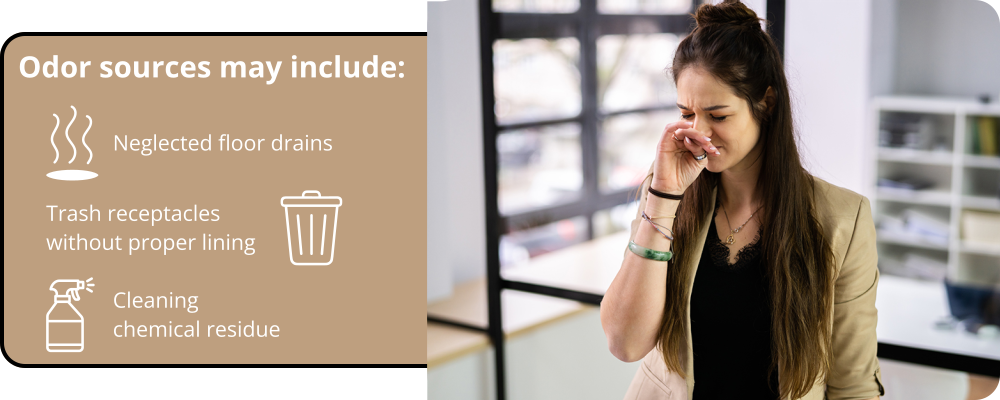
In situations like this, FMs face a common challenge. Surface-level fixes do not work because odors are often symptoms of deeper issues. Odor sources may include neglected floor drains, trash receptacles without proper liners or residue left behind by harsh chemical cleaners that can intensify the odor over time.
The solution is not simply cleaning more — it is cleaning smarter. FMs can take a proactive approach by:
-
Using bio-based enzymatic cleaners that break down organic material that can cause odors instead of masking them.
-
Outfitting trash receptacles with antimicrobial liners to prevent bacterial growth.
-
Updating HVAC filters to capture odor-causing particles more effectively.
-
Installing smart sensors that provide real-time insights into IAQ, enabling maintenance teams to respond to issues before building residents even notice them.
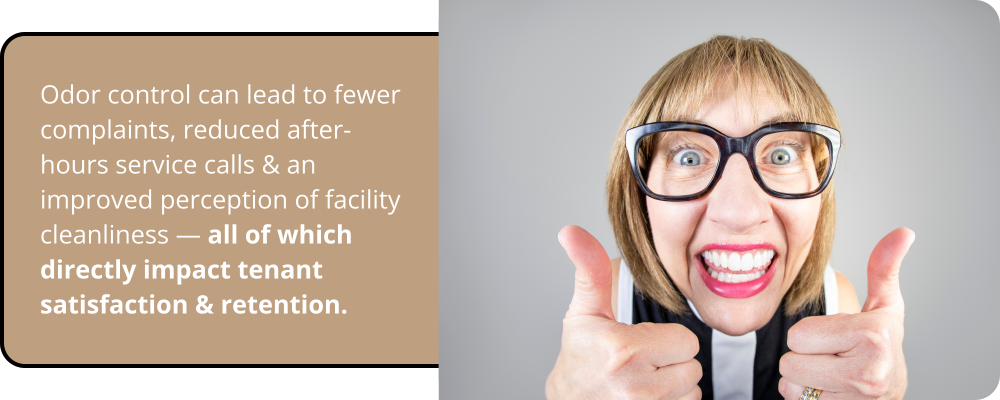
When implemented consistently, these solutions shift odor control from reactive crisis management to a proactive, preventive strategy. The outcomes include fewer complaints, reduced after-hours service calls and an improved perception of facility cleanliness — all of which directly impact tenant satisfaction and retention.
From quick fix to core strategy
Just as energy efficiency and sustainability became benchmarks for building performance over the past two decades, odor control is poised to join that list. Facility audits are beginning to take odor control into account. Corporate leaders are factoring it into brand reputation. Even insurance and compliance frameworks may one day consider odor a measurable standard of safety and risk management.
The conversation around odor control is shifting from “what can we spray to make it smell better?” and toward “what does this odor tell us about our building?” That change in perspective empowers FMs to identify problems early, build confidence among employees and guests, and demonstrate a higher standard of care.
Your facility team can begin building a stronger odor management program by:
-
Conducting regular facility walk-throughs to pinpoint the root sources of odor. Focus on odor detection in restrooms, kitchens and waste areas.
-
Reviewing ventilation and HVAC maintenance schedules to ensure filters and ducts are not harboring odor-causing buildup.
-
Implementing a feedback system that allows employees and occupants to report problem areas discreetly before complaints escalate.
 Odors may be invisible, but their impact is impossible to ignore. Facilities that prioritize odor control as a serious operational priority will set themselves apart — not only by creating more welcoming spaces, but also by protecting the health, reputation and the confidence of those they serve.

Brett Drumm is the master franchise owner for Anago of Tulsa, part of the Anago Cleaning Systems brand, supporting over 1800 franchises across the U.S. and Canada.
References
Images via Getty Images.
Read more on Facility Operations and Occupancy & Human Factors or related topics Maintenance and Occupant Services
Explore All FMJ Topics